


Lost in Reefs 2


Here’s a description of Lost in Reefs 2 — what it is, how it plays, and what kind of experience you might expect from it.
🎯 What is Lost in Reefs 2
- Lost in Reefs 2 is a match‑3 / tile‑matching puzzle‑adventure game set in an underwater / sunken‑city theme. (GameTop.com)
- It was developed by Rumbic Studio and published by Big Fish Games. (MobyGames)
- The premise: you explore the ruins of a lost civilization — a submerged city — and restore it piece by piece by playing match‑3 levels. (GameHouse.com)
🧩 Gameplay Mechanics & Key Features
What makes Lost in Reefs 2 stand out among basic match‑3 games:
- Multiple matching modes: Unlike many simple match‑3s, you can play via Swap (traditional), Chain (trace a chain of identical tiles), or Group — grouping/exploding clusters of similar-colored tiles. (Metacritic)
- Different board shapes: You can get both classical rectangular/square boards and hex‑shaped boards — which changes gameplay strategy and adds variety. (Metacritic)
- Resource collection & city‑building element: As you clear levels, you gather resources used to gradually reconstruct the underwater town — giving a sense of progression beyond just puzzle clearing. (GameTop.com)
- Many levels: The game offers a substantial amount of content — hundreds of levels (300+ per some descriptions) to play through. (GameTop.com)
- Relaxing atmosphere: The art, music, and underwater visuals aim to create a calming, exploratory vibe rather than a high‑pressure arcade feel. (GameTop.com)
🌊 Theme, Mood & Presentation
- The underwater / sunken city + ancient‑civilization back‑story gives Lost in Reefs 2 a more atmospheric, sometimes even slightly mysterious tone vs. many plain match‑3 games. (MobyGames)
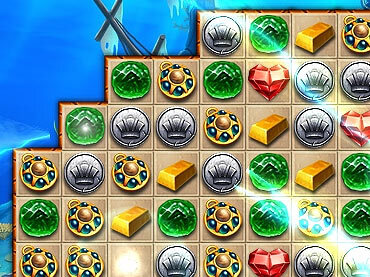
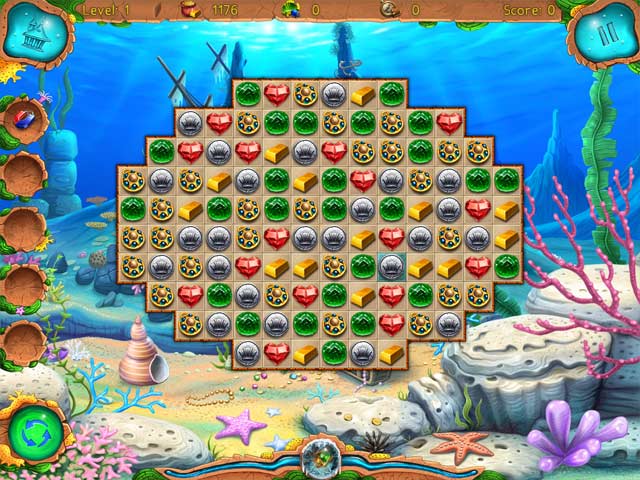
- Visually, expect colorful underwater scenery, maybe ruins, corals or sea motifs — matching gems or tiles themed accordingly, which fits well with the exploration / discovery vibe the game tries to deliver. (GameTop.com)
- The “city‑rebuilding” reward loop adds a sense of gradual accomplishment: as you progress, you see tangible progress (the underwater town getting restored) rather than just moving from level to level. (GameTop.com)
✅ What It Does Well — Strengths
- Varied matching mechanics make it more flexible and interesting than a “basic swap-only” match‑3. The ability to choose how you match (swap / chain / group) and different board shapes can keep gameplay fresh.
- Long gameplay for casual players — with hundreds of levels and city‑building elements, it’s good for extended, relaxed play sessions.
- Atmospheric & immersive theme — the underwater / lost‑city concept gives a nice aesthetic flavor and a sense of exploration that some match‑3 games lack.
- Accessible and easy to jump into — match‑3 basics remain simple, so even casual or new players can enjoy it, but there’s enough depth for players who like a bit more than just swapping.
⚠️ What to Know / Possible Drawbacks
- Limited narrative depth: While there’s a back‑story (sunken city, lost civilization), the narrative is mostly a framing device; the focus remains on puzzles rather than story. (GameTop.com)
- Can feel repetitive over time: As with many match‑3 + resource games, after many levels the patterns may become familiar and challenge/novelty may plateau. (GameTop.com)
- Not a “hardcore” puzzle challenge — difficulty and complexity are moderate, so if you prefer deep strategy or tough challenge, it may seem easy or shallow. (GameFAQs)
🎮 What Playing It Feels Like
Playing Lost in Reefs 2 feels like a relaxing underwater expedition + puzzle hunt: you dive into coral‑coloured boards, match gems, break plaques, find resources — and gradually bring a forgotten underwater city back to life. It balances calm and challenge: casual enough for quick play, but with enough variation (board shapes, matching modes, resource rewards) to stay engaging over longer sessions.
If you enjoy match‑3 games with a bit of variety and a mellow, atmospheric vibe, Lost in Reefs 2 is a solid choice.