


Rebuild the History

Here’s a detailed description of Rebuild the History — what the game is about, how it plays, and what you can expect.
🌍 What is Rebuild the History
- Rebuild the History is a match‑3 “puzzle + reconstruction” game: you solve match‑3 boards to gather resources, which you then use to restore famous historical landmarks/buildings. (GameTop.com)
- The game’s premise: once-great buildings have fallen into ruin after “years of trouble and neglect,” and as the player — you aim to bring those landmarks back to life. (iWin)
- As you rebuild, the game also gives you historical facts or background about each building — so there’s a light educational or “learning about history while playing” aspect. (GameTop.com)
🧩 Gameplay & Mechanics
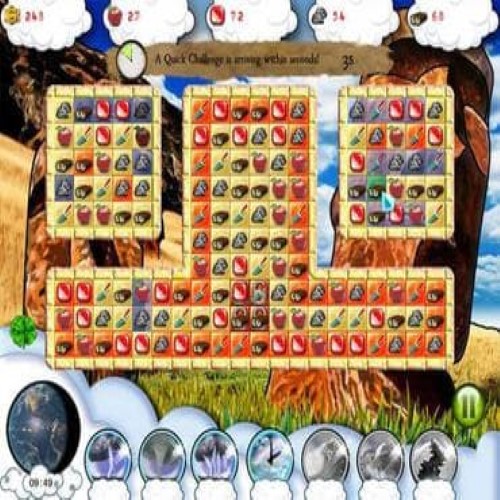
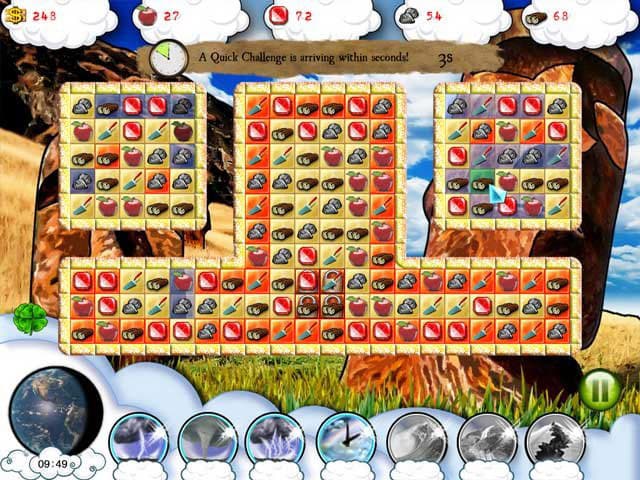
- The core gameplay is classic match‑3: swap tiles to match at least three identical items to clear them. Clearing these tiles earns you resources you need for rebuilding. (GameFAQs)
- Along with normal match‑3 levels there are “quick challenges” and tasks that you must complete to speed up progress or unlock the next restoration project. (iWin)
- After you collect enough resources, you “build” or “restore” parts of a landmark — you usually do this by choosing a building project, placing upgrades/parts, and then seeing the building rise step by step as you finish levels. (GameTop.com)
- The game offers multiple levels (the number commonly cited is ~120 levels) across various historical landmarks. (itch.io)
🏛️ Theme & Atmosphere
- The “restoration of real (or realistic) historical buildings” gives the game a slightly different tone than many match‑3 games that use candy / jewels / fantasy — it leans more toward a “history / reconstruction / art & architecture” vibe.
- Visuals and graphics tend to emphasize the buildings and landmarks being restored — the reward for your match‑3 work is tangible in seeing “before vs after” as ruins become restored monuments. (GameTop.com)
- The combination of puzzles + building + historical context gives a somewhat relaxed but purposeful experience: you’re not just clearing puzzles — you’re working toward rebuilding and “saving history.”
✅ Strengths & ⚠️ What to Know
What works / strengths:
- The mix of match‑3 + building/restoration gives more depth and long-term progression than a pure puzzle game. It feels more meaningful: you see actual “progress” as landmarks rise.
- The educational / historical flavor adds interest for players who enjoy history or architecture, making it more than just casual entertainment.
- Because it’s a match‑3 puzzle game, it’s easy to pick up and doesn’t demand heavy reflexes or advanced skills — good for casual sessions.
- Reasonable system requirements: as with many match‑3 PC games, it should run fine even on modest hardware. (bdstudiogames.com)
Potential limitations:
- As many reviews mention (and some players complain), there’s no “relaxed mode” — you might have to meet resource/time goals to rebuild, which can make the game feel rushed rather than leisurely. (doublegames.com)
- The match‑3 boards don’t always fill the whole screen (at least in some versions), which some players consider a drawback or “cheap” design choice. (doublegames.com)
- Because at its core it’s still match‑3, if you dislike repetitive puzzle mechanics, you might find it monotonous after many levels.
🎯 Who It’s Best For
Rebuild the History is a good choice if you:
- Like match‑3 / casual puzzle games, but also want some sense of purpose, progress or building/restoration rather than endless match‑3 levels.
- Enjoy history, architecture, or restoration themes — you might appreciate the revived landmarks and historical facts.
- Prefer relaxed or semi-casual games that don’t require a huge time commitment, but still give rewarding progression.
- Use a PC with modest specs (since it’s not a heavy 3D game), so you don’t need a powerful rig to enjoy it.
Since you like PC games and have tried other match‑3 / puzzle‑restoration titles, I think Rebuild the History could align with your taste — a more “meaningful puzzle game” with light world‑building flavor.