
adsterra clicadilla ---------------------- adcash ---------------
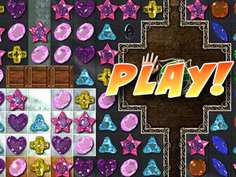
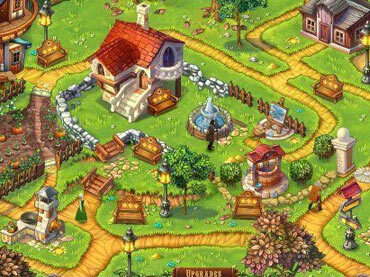
Amanda’s Magic Book Match 3
Image
Image
Image

Here’s a description of Amanda’s Magic Book Match 3 — what it is, how it plays, and what to expect 👇

🎮 What is Amanda’s Magic Book Match 3
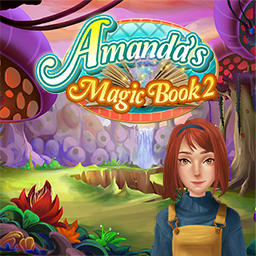
  • Amanda’s Magic Book Match 3 is a match‑3 puzzle adventure game. When the protagonist (Amanda) finds a mysterious book in a rainforest, she gets pulled into a cursed magical realm. To return — and save that realm — the player must restore the book’s pages and heal several magical lands. (GameTop.com)
  • The story unfolds over 5 chapters, each corresponding to a different “magical realm” that needs restoration. (GameTop.com)
  • As you progress, you can unlock up to 20 upgrades that help rebuild broken lands and enhance your ability to clear puzzles. (GameTop.com)

🧩 Gameplay — How It Works

  • The basic gameplay is classic match‑3: you swap adjacent tiles to group 3 (or more) of the same kind, which clears them from the board. (GameHouse.com)
  • Levels are “goal‑based”: clearing certain tiles, reaching target scores or fulfilling level objectives advances you to the next board (and eventually toward repairing the book/realm). (GameTop.com)
  • For tougher boards, there are powerups and tools (boosters) to help — useful when default matching isn’t enough. (iWin)
  • As you complete levels and earn rewards, you invest in upgrades — these rebuild (visually or functionally) the magical realms, tying the puzzles to the narrative progression. (GameTop.com)

✅ Strengths & What Works

  • Narrative‑driven match‑3: Unlike pure “match for high score” games, Amanda’s Magic Book ties the puzzles to a story (curse, magical realms, restoration) — gives the game more context and purpose.
  • Progress & sense of accomplishment: Rebuilding realms and restoring a book gives a satisfying sense of progress beyond just “level after level.”
  • Accessible & casual‑friendly: The match‑3 formula + optional powerups make it easy for casual or occasional players to pick up and enjoy without heavy commitment.
  • Variety in progression: With 5 realms/chapters + 20 upgrades + many levels, there’s good content volume without needing high skill or investment.

⚠️ Limitations / What to Know

  • The core remains match‑3 + boosters — if you dislike match‑3 games, there’s no deep RPG mechanics or action.
  • As with many match‑3 games, the satisfaction can taper off: later levels might start feeling repetitive if you don’t enjoy puzzle‑after‑puzzle progression.
  • Because it’s story + puzzle + rebuild formula, it may feel “light” if you expect deep narrative, character development or complex gameplay layers.

🎯 Who Might Enjoy It

Amanda’s Magic Book Match 3 is a good fit if you:

  • Like match‑3 / casual puzzle games but appreciate some story or purpose behind them.
  • Want a relaxing, low‑effort game for PC that doesn’t demand high-end hardware or long time investment.
  • Enjoy goal‑driven progression (restore realms, unlock upgrades) rather than just chasing high scores.
  • Prefer games suitable for short sessions or casual play, rather than intensive, time‑consuming titles.

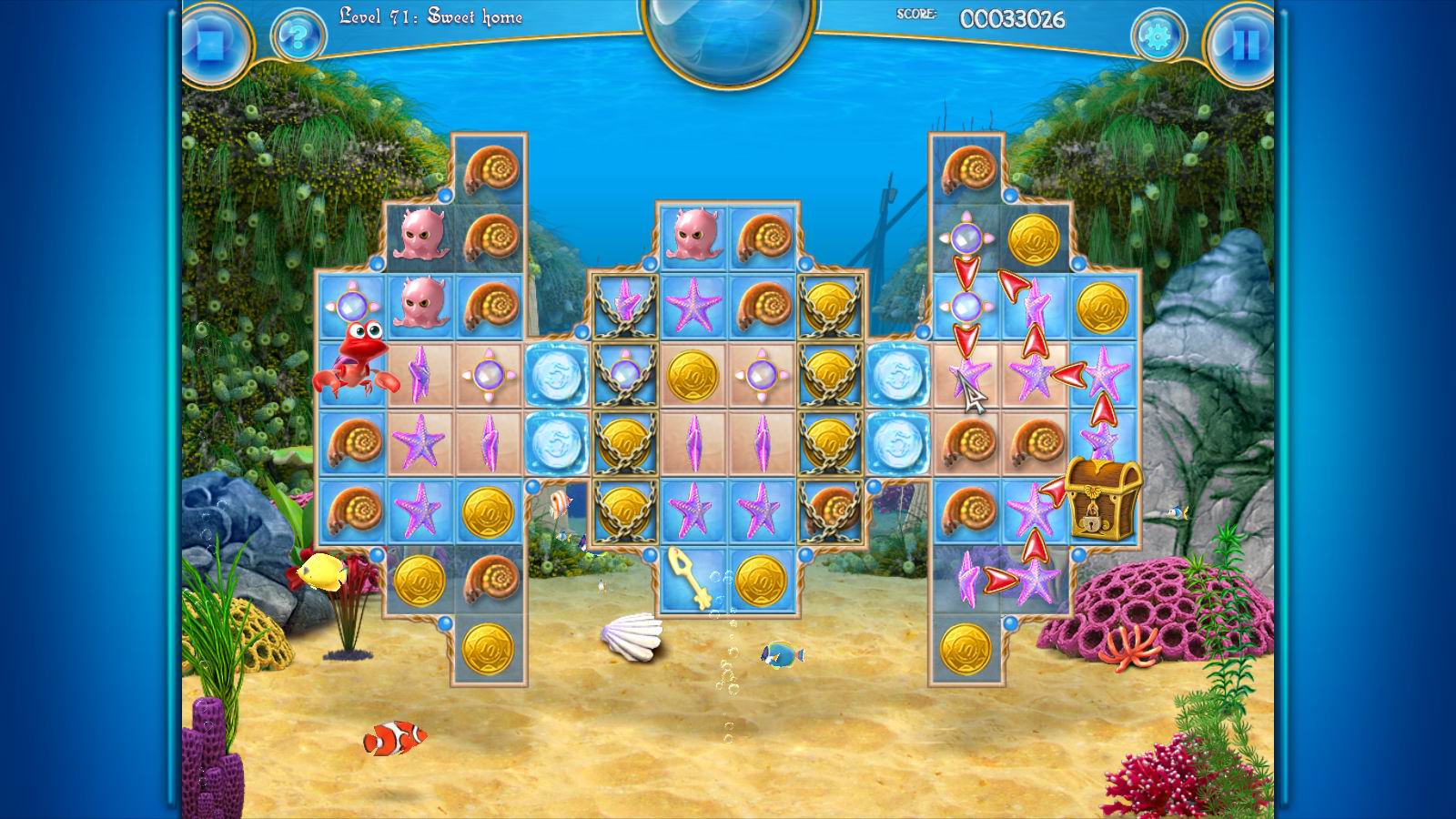
Mermaid Adventures The Frozen Time
Image
Image
Image

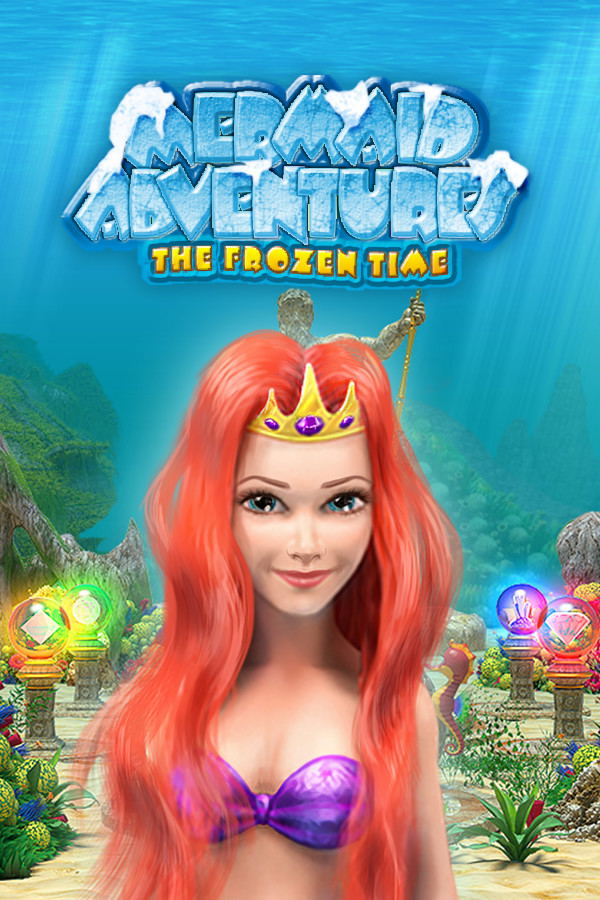
Here’s a description of Mermaid Adventures: The Frozen Time — what it is, how it plays, what to expect:

🎮 What is Mermaid Adventures: The Frozen Time

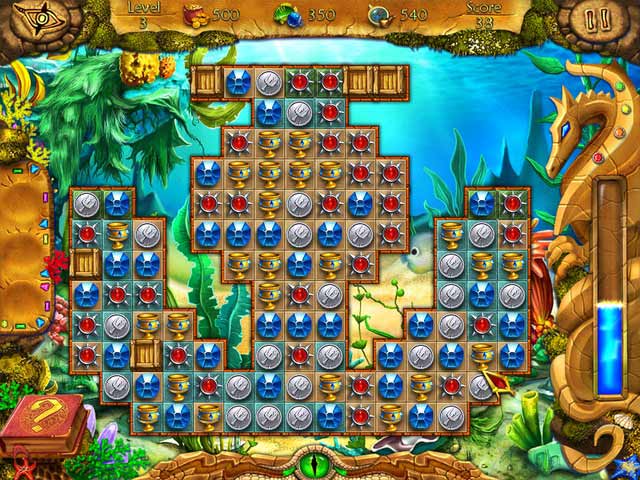
  • Mermaid Adventures: The Frozen Time is a match‑3 / casual puzzle + adventure game with an underwater / mermaid / oceanic theme. (Steam Store)
  • The story centers around a mermaid (named Alice) and her friends — the underwater kingdom is thrown into chaos by an evil octopus and its servants, who cause problems and “freeze time.” It’s up to Alice (and allies) to restore order, wake her friends, and return peace to the ocean world. (Steam Store)
  • The game mixes several gameplay styles — not just match‑3, but also light puzzles, hidden‑object scenes, memory rounds (and possibly other mini‑game types), giving some variety beyond classic gem‑matching. (GameTop.com)

🧩 Gameplay & Features

  • There are around 80 unique levels, each with its own layout or challenge. (GameTop.com)
  • The core levels use match‑3 mechanics: you swap tiles / gems / underwater-themed items to match 3 (or more) and clear the board / achieve level goals. (GameTop.com)
  • Between or alongside match‑3 stages, the game includes different kinds of mini‑games: hidden‑object scenes, puzzle segments, and memory‑type levels — which helps keep gameplay more varied and breaks monotony. (GameTop.com)
  • The game has hand‑drawn / stylized 2D graphics, an underwater / ocean aesthetic, and a soundtrack / audio design that fits the relaxed‑yet‑fantasy vibe of a mermaid adventure. (Steambase)
  • System / performance wise — the requirements are modest: it can run on older or modest PCs (512 MB RAM, ~80 MB storage, basic CPU) which makes it accessible. (PCGameBenchmark)

✅ Strengths & What Works

  • Casual and accessible: Because of simple mechanics and low system requirements, the game is suitable even for players with older PCs or who prefer light gaming sessions.
  • Varied gameplay: The mix of match‑3, puzzles, hidden‑object & memory rounds adds diversity — less repetition compared to pure match‑3 games.
  • Nice aesthetic & atmosphere: The underwater / mermaid theme, stylized 2D art, and ocean‑kingdom story give the game some charm and thematic consistency.
  • Good for short / relaxed sessions: Levels are modest in size; you can enjoy a few rounds without needing to commit long hours or learn complex mechanics.

⚠️ Limitations / What to Keep in Mind

  • The core gameplay is still casual / light — so if you expect deep RPG mechanics, complex puzzles or rich story, it may feel limited.
  • According to user reviews (on Steam), some of the level mechanics and mini‑games (especially beyond simple match‑3) have been criticized: issues with puzzle/balance, or that certain mechanics feel messy or “frustrating rather than fun.” (Steam Community)
  • The player base seems small and the community limited (concurrent players on Steam are often very low), so you shouldn’t expect a large online community or much ongoing support. (Steambase)

🎯 Who Might Enjoy Mermaid Adventures: The Frozen Time

This game could appeal to you if you:

  • Like match‑3 / casual puzzle games with a light fantasy / underwater / mermaid theme.
  • Want a relaxing, easy‑to‑play game (with modest system requirements), good for short play sessions.
  • Appreciate variety in gameplay beyond just swapping gems — enjoy small puzzles, hidden object hunts, and casual mini‑games.
  • Prefer a casual, story‑light adventure rather than heavy, complex RPGs or action games.

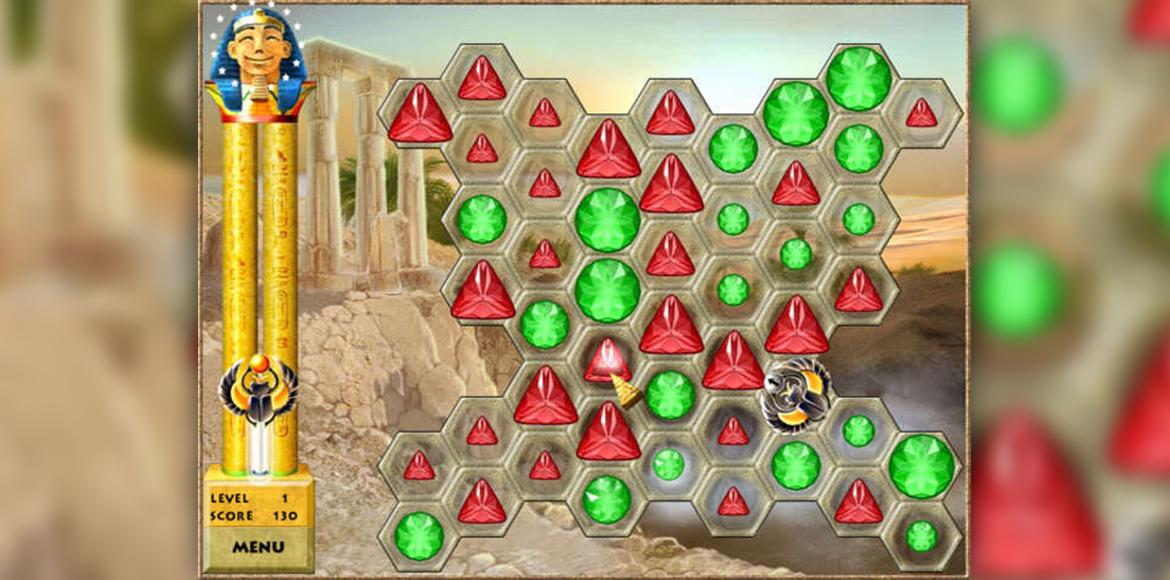
Scarabs of Pharaoh
Image
Image
Image

Here’s a description of Scarabs of Pharaoh — how it plays, what makes it interesting, and who might enjoy it:

🎮 What is Scarabs of Pharaoh

  • Scarabs of Pharaoh is a puzzle / match‑3‑/gem‑matching game set in an ancient Egypt / tomb / pharaoh‑themed environment. (GameTop.com)
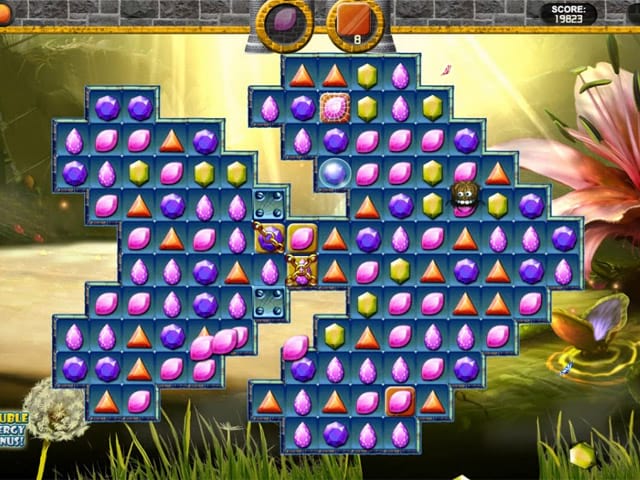
  • The game has a distinctive mechanic compared with many match‑3 games: you group jewels of different sizes (small, medium, large) — when you manage to assemble a proper combination of the three different sizes, they disappear. (GameTop.com)
  • The visual & thematic style draws heavily on Egyptian / tomb / pharaoh imagery — pyramids, treasures, temple‑like backdrops, desert tombs. (GameTop.com)

🧩 Gameplay — How It Works

  • On each level you have a board filled with “jewels/objects” of various sizes and colors. Your goal is to rearrange (swap/move) them so that you group one small + one medium + one large jewel (or gemstone) — this combination triggers a “clear,” removing them from the board. (GameHouse.com)
  • The game rewards speed and planning: there’s a pressure mechanic — the “Pharaoh” oversees your matches: if you act too slowly or take too long, treasures/gems might get “snatched away.” (GameTop.com)
  • There are two game modes (or at least variation in challenge modes) — giving players flexibility: you can choose a more relaxed mode or a more challenging/time‑sensitive mode. (GameTop.com)
  • As you progress, levels become more complex — board layouts, gem placements, color and size distributions all become more difficult, requiring sharper strategy and quicker moves. (GameHouse.com)

✅ What Works & What Makes It Fun

  • The unique size‑based matching mechanic (small + medium + large) distinguishes it from standard match‑3 — makes you think not only about color but size & pattern.
  • The Egyptian / ancient‑Egypt theme and visuals give the game atmosphere — the tombs, pharaoh motifs, treasure vibe make it more atmospheric than just “gems on a grid.”
  • Because of the dual emphasis on strategy + speed, the game balances casual puzzle‑fun with a light sense of challenge — nice for players who want more than “swap‑to‑match.”
  • It works well for short gameplay sessions — each level is typically quick, making it good for casual play or a quick break.

⚠️ What to Know / Limitations

  • The “match by size + color” mechanic — while a strength — might also feel limiting or repetitive after many levels (especially once you’ve internalized the strategy).
  • Because of the speed/Pharaoh‑watch mechanic, some players may find certain levels stressful or rushed rather than relaxing, especially under pressure to avoid losing gems.
  • It’s a simpler puzzle game overall — there’s no deep story, RPG elements, or “base building” — just level‑by‑level matching.

🎯 Who Might Enjoy Scarabs of Pharaoh

You might like this game if you:

  • Love match‑3 / gem‑matching / puzzle games, but want something a bit different than standard “swap‑3-of-same-color.”
  • Enjoy themed puzzle games, especially with ancient Egypt, tombs, treasure‑hunt vibe.
  • Want a casual yet somewhat challenging game for short play sessions — not a heavy-time commitment.
  • Appreciate strategy and quick thinking, with a bit of pressure/urgency rather than laid‑back matching.

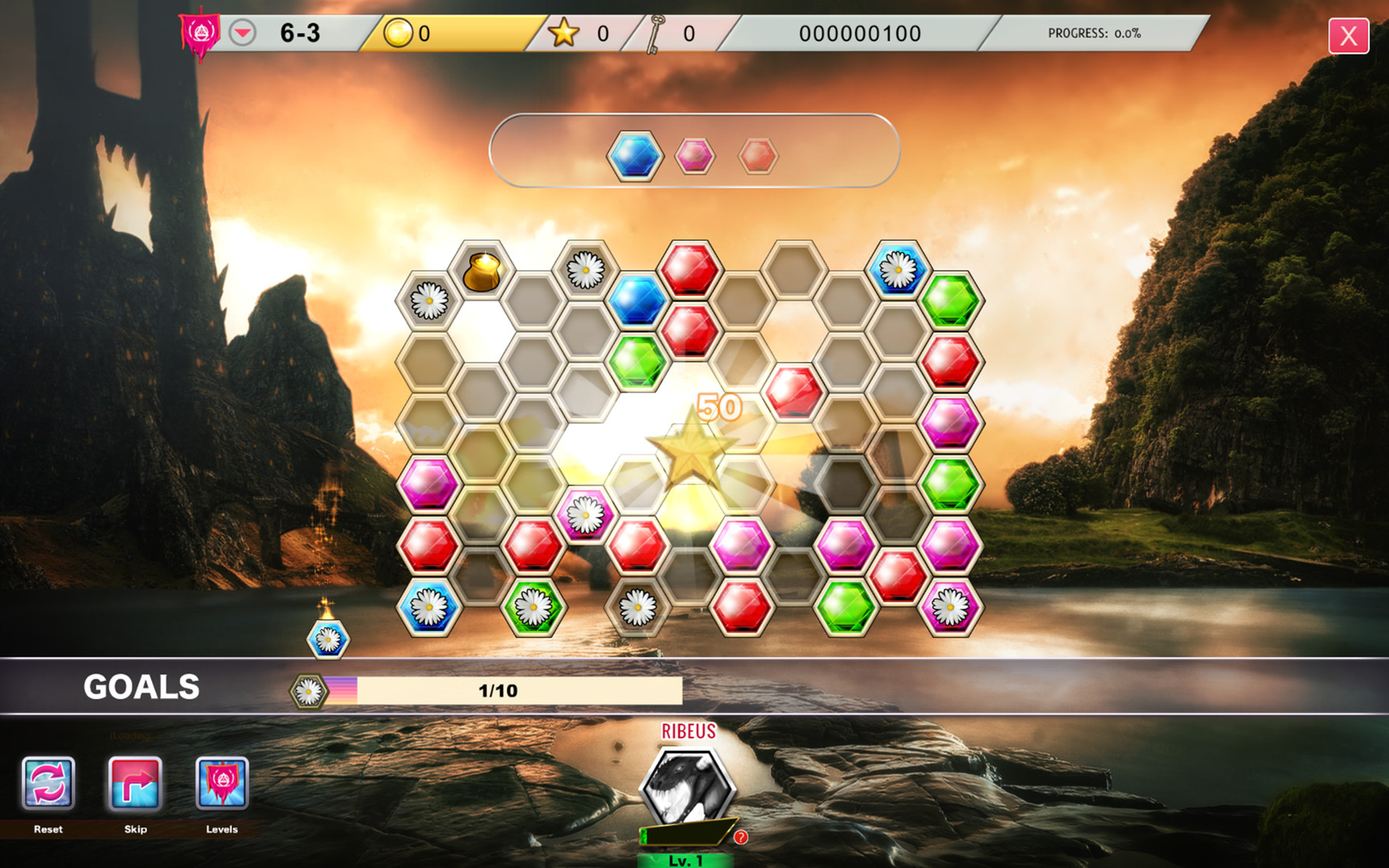
Dragonscales 6 Love and Redemption
Image
Image
Image

Here’s a detailed description of DragonScales 6: Love and Redemption — what it is, how it plays, and what to expect.


🎮 What is DragonScales 6: Love and Redemption

  • DragonScales 6 is part of the larger DragonScales series — a casual/strategy/tile‑matching puzzle game franchise. (Steam Store)
  • It serves as (at least in part) a conclusion of the story arc of the main heroine (Zarya), as she confronts the final antagonist (Dark Empress) in the Gravity Kingdom, aiming to end her reign. (Steam Store)
  • The game combines classic tile‑matching (placing coloured “scales”) with puzzle, exploration, and light battle elements — making it more than a simple match‑3 clone. (GameTop.com)

🧩 Gameplay — How It Works

  • The core mechanic: you place coloured “scales” (tiles) on a board to match groups (similar to match‑3 / tile‑matching games), but with additional mechanics beyond mere matching. (IKIGames)
  • There are 130 crafted levels to play, plus extra “post‑game” quests (named “The Royal” and “The Pit”) for additional challenges. (GameTop.com)
  • New gameplay features compared to previous entries:
    • Gravity switches / board‑gravity mechanics — in some puzzles, you can flip or shift gravity on the board to change how scales fall or align, adding a layer of spatial puzzle solving. (IKIGames)
    • Keys and locked doors — some levels require collecting keys to unlock doors or access new areas, adding exploration/strategy beyond pure matching. (IKIGames)
    • Battles against multiple enemies — unlike earlier simpler match‑puzzles, this installment introduces line‑ups of foes (minions of the Dark Empress) that you face using the tile‑matching / power‑ups system. (IKIGames)
    • Upgraded power‑up system — combos and matching build up power-ups (spells or “dragon‑powers”) that you can then use strategically to clear boards or defeat enemies. (IKIGames)
  • The game does not use timers for levels, meaning you can play at your own pace, plan moves carefully, and retry for better performance/stars without time pressure. (Steam Store)
  • If a level seems too hard, you have the option to skip it — skipping does not break the story progression. This lowers frustration and makes progress smoother, especially for casual players. (Steam Store)

✅ What Works & Where DragonScales 6 Shines

  • Balanced mix of puzzle and light combat/adventure — more engaging than a simple match‑3 thanks to gravity puzzles, enemies, and power‑ups.
  • Large amount of content — 130 levels + post‑game quests offer plenty of gameplay time, good for players who enjoy long puzzle‑adventures.
  • Flexible pacing — no timers, optional level‑skipping, and strategy-friendly matching lets the player progress at their own comfort, nice for casual or mobile‑PC gaming sessions.
  • Strategic variety — gravity boards, keys/doors, enemy battles and power‑ups add a variety of challenges, preventing the gameplay from getting monotonous too quickly.
  • Story closure — As the concluding chapter for Zarya’s arc, the game will likely appeal to fans of the series who want to see the resolution.

⚠️ What to Keep in Mind / Possible Limitations

  • While it’s more complex than a simple match‑3, it remains a casual / “lite” puzzle‑adventure — don’t expect deep RPG complexity, open‑world freedom, or heavy action.
  • The difficulty curve can climb — some puzzles may be challenging, especially with gravity shifts and enemy battles, although the skip‑level option mitigates this.
  • Because the game blends matching + puzzle + battles, mastering all mechanics (power‑ups, gravity, key‑unlocking, battle strategy) may take some learning for players new to the franchise or to hybrid‑style puzzle games.
  • As with many in the genre, part of the enjoyment depends on how much you like “match + puzzle + light story” — if you prefer story-rich RPGs or fast‑paced action, this may feel too slow or simple.

🎯 Who Might Enjoy DragonScales 6

You might enjoy this game if you:

  • Like tile‑matching / puzzle games, but seek more depth (power-ups, spatial puzzles, battles) than typical match‑3.
  • Appreciate casual-to-mid difficulty games that you can play at your own pace, without timers or pressure.
  • Enjoy fantasy themes, dragons, magic, and a light story, especially if you played earlier entries of the series.
  • Prefer mixing puzzle mechanics with light combat / strategy — a hybrid rather than pure puzzle or pure action.
  • Want a relatively low‑spec, accessible PC game — good if your setup is modest and you want to avoid demanding 3D games.

Bali Quest The Sacred Legacy
Image
Image
Image

Here’s a detailed overview of Bali Quest: The Sacred Legacy — what it is, how it plays, its story, strengths/weaknesses, and who it fits for.


🎮 What is Bali Quest: The Sacred Legacy

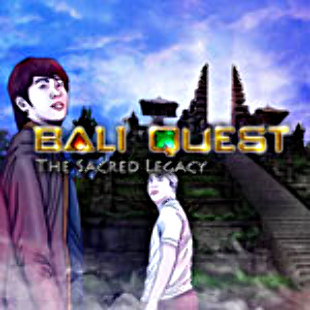
  • Bali Quest: The Sacred Legacy is a match‑3 puzzle + adventure game. (GameTop.com)
  • The story revolves around an ancient evil named Ogoh‑ogoh threatening the island of Bali. (GameTop.com)
  • The playable protagonists are two characters: Wicaksana and Wira, who embark on a quest to find powerful “godly weapons” to defeat Ogoh‑ogoh’s dark magic and save their homeland. (iWin)

🧩 Gameplay — How It Works

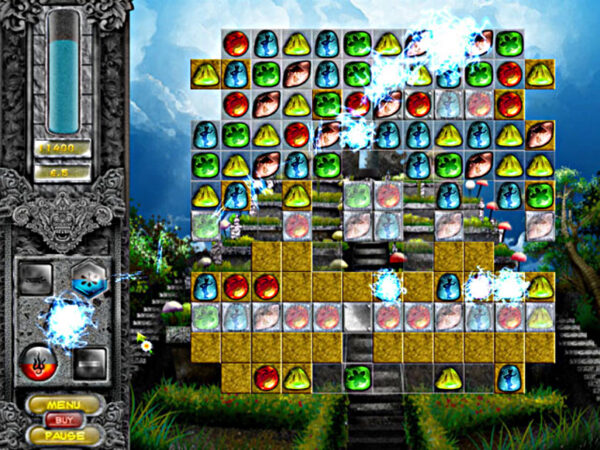
  • Gameplay consists primarily of match‑3 mechanics: you swap tiles (gems/tiles/pieces) to match three or more of the same type/color. (Software Informer)
  • Each level has objectives: these might include clearing marked tiles, collecting special items/pieces, or removing obstacles. (GameTop.com)
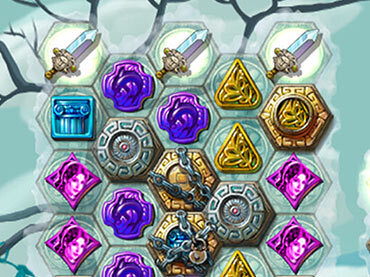
  • As you progress, new board layouts, blockers (e.g. locked tiles, special obstacles) and more complex puzzles are introduced — which increases difficulty and requires more planning/ strategy. (Software Informer)
  • The game occasionally mixes additional mini‑games beyond pure match‑3: hidden‑object tasks, or simple word/puzzle‑type tasks, to diversify gameplay. (Software Informer)
  • Successfully completing levels and gathering “weapons” — or fulfilling story‑related goals — advances the narrative and unlocks new chapters/locations around Bali. (GameTop.com)

🧠 Story & Setting / Atmosphere

  • The backdrop is mythic/fantasy: Bali is under threat by evil magic (Ogoh‑ogoh), and the heroes must travel to temples, villages, jungles, and exotic island locations to recover divine weapons. (freeridegames.com)
  • The game uses a story‑driven structure: each act or chapter brings new places, new challenges, and pushes the search for relics and salvation forward. (GameTop.com)
  • Visually — while not AAA‑level — the game uses colorful art, bright animations, and a somewhat immersive island/mystical vibe, fitting its myth‑adventure theme. (Software Informer)

✅ What Works & Strengths

  • Blend of story + puzzle: Unlike many “pure match‑3 for points” games, Bali Quest gives a narrative and motivation (save Bali, collect weapons) — which makes progression feel purposeful.
  • Variety beyond basic matching: With obstacles, blockers, different tile‑types, and occasional mini‑games (hidden‑objects, other puzzle types), it tries to keep variety across levels.
  • Accessible and casual-friendly: Match‑3 mechanics are simple and familiar, so it’s easy to pick up even for casual gamers.
  • Exotic/fantasy theme: Setting in a mythical version of Bali, with magic, temples, heroes — gives it thematic flavor that stands out compared to generic puzzle games.
⚠️ Limitations / What to Expect

  • Repetitive over time: As with many match‑3 games, after many levels the core mechanic (swapping + matching) can feel repetitive despite occasional variation. (Software Informer)
  • Modest production values: Graphics and animations are serviceable but not cutting‑edge — so don’t expect cinematic visuals or deep 3D world design. (Software Informer)
  • Story somewhat light / linear: While there is a narrative, it doesn’t evolve into a complex RPG or deep adventure — rather it serves mostly as a framing for puzzles and level progression.
  • Difficulty can spike: As obstacles and board complications increase, some levels could get challenging especially if you rely solely on luck rather than planning.

🎯 Who Might Enjoy Bali Quest

You might enjoy this game if you:

  • Like match‑3 puzzle games but appreciate having a story / mission / progression behind them.
  • Prefer casual / light gaming sessions, not heavy RPGs or action games.
  • Enjoy fantasy / mythical / exotic settings, with some adventure flavor even in a puzzle context.
  • Want a relaxing but engaging puzzle + adventure hybrid — something between a casual puzzle and a light story game.

Cat and Ghosts

Here’s a description of Cat and Ghosts — what kind of game it seems to be, how it plays, and what to expect (or keep in mind).

Image
Image
Image

🎮 What is Cat and Ghosts

  • Cat and Ghosts is described as a casual arcade / puzzle‑style game centered around a cat and ghosts. (GameTop.com)
  • The premise (in one version) is that a “tyrant blue cat” has trapped cute little ghosts; your role is to help the ghosts escape by matching tiles, merging ghosts, and freeing them. (GameTop.com)
  • In some variants/online‑platform versions “Cat and Ghosts” is presented more like a fast‑reaction / light‑action game: you control a cat and try to fend off or “slash” ghosts attacking a sleeping human — the goal being to protect the human’s sleep through multiple nights. (microoyun.com)

So depending on which version you access, Cat and Ghosts can lean toward either puzzle/matching or light action/arcade‑style gameplay.


🧩 Gameplay — What You Actually Do

  • In the match/puzzle version: you swap tiles to perform match‑3 (or match‑similar‑ghosts) mechanics. By matching or pairing ghost tiles, you evolve/merge ghosts into stronger forms. Once you build two sufficiently strong ghosts, you clear the stage (free the ghosts) and progress. (GameTop.com)
  • The controls are simple swap/match mechanics; the pacing tends to be relaxed, and the game doesn’t push heavy time pressure (in its relaxing version) — which may make it suitable for casual, laid‑back play. (GameTop.com)
  • In the arcade / “ghost‑slash” version: you control the cat character directly (mouse or tap) to attack or slash ghosts when they appear. Ghosts come in waves over multiple “nights.” Your aim is to survive as long as possible, protecting the sleeping human from ghostly attacks. (microoyun.com)
  • As ghosts increase in number and speed over nights, the difficulty ramps up — testing your reflexes and clicking/tapping speed.

✅ What Works & Strengths

  • Simple & accessible: Whether as a match‑puzzle or arcade‑style game, the controls and mechanics are easy to learn — good for casual or short gaming sessions.
  • Casual / Relaxed‑friendly (in puzzle mode): The match‑3/merge‑ghost version seems forgiving and calm in pace — suitable if you just want light gameplay without pressure.
  • Dual‑style: The fact there are different versions means you might choose what kind of gameplay you prefer (puzzle vs arcade/slasher).
  • Free / easy access: The game is listed as a free download (or browser/playable online) on several sites, making it easy to try without cost or big installation. (GameTop.com)

⚠️ What to Know / Limitations & What to Be Wary About

  • Multiple “versions” — quality may vary: Because there seem to be several variants of “Cat and Ghosts” (puzzle, arcade, browser‑based, etc.), quality and gameplay experience may vary significantly depending on where/how you play.
  • Not very deep or complex: For a puzzle / “match or slash ghosts” game, it’s fairly basic — probably won’t offer the depth or richness of larger puzzle‑adventure or story‑driven games.
  • Potential repetitiveness: With simple mechanics + many rounds (especially in arcade/“survive nights” mode), gameplay may become repetitive over time.
  • Casual graphics & production value: It’s more of a small/indie/light game than a big-budget title — visuals, UI, and polish might be modest.

🎯 Who Might Enjoy Cat and Ghosts

You might like this game if you:

  • Enjoy casual puzzle games (match‑3 / merge / tile‑matching) or light arcade games — nothing too heavy, just simple fun.
  • Want a game you can pick up quickly for short sessions.
  • Prefer low‑spec, easy‑to‑run games that work on modest PCs or browsers.
  • Don’t mind simpler mechanics and prefer light, relaxed gameplay rather than deep stories or complex mechanics.

Aqua Pop
Image
Image
Image

Here’s a full description of Aqua Pop — what kind of game it is, how it plays, and what to expect if you try it.


🎮 What is Aqua Pop

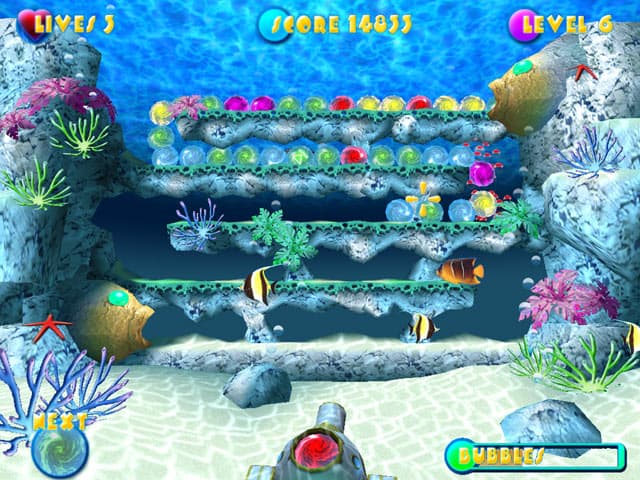
  • Aqua Pop is a bubble‑shooter / marble‑shooter / casual puzzle game set under the sea, with an aquatic / underwater theme. (GameTop.com)
  • The “threat” in the game is that a chain of colorful marbles (or bubbles) rolls toward a “fish mouth” (or dangerous end); your job is to stop them before they reach it — by shooting bubbles to match and pop them. (GameTop.com)

🧩 Gameplay — How It Works

  • You control a “shooter” at the bottom of the screen. You aim and shoot colored bubbles upward toward the chain of bubbles coming down or across the screen. (op.game)
  • The goal is to match 3 or more bubbles of the same color when they connect — to make them pop and clear part of the chain. (GameTop.com)
  • When you succeed, bubbles disappear; often this triggers chain reactions / combos (especially when popping one group causes others to align), which give bigger points and help manage the rising bubble threat. (GameTop.com)
  • You can also see the “next bubble” you’ll shoot — and you can swap it (e.g. with right‑click or alternate control) before firing — letting you plan smarter shots. (GameTop.com)
  • Controls are simple: with mouse (on PC) — aim & shoot; on some versions there may be keyboard options too. (GameTop.com)

✅ What Works & Where It Shines

  • Aqua Pop is easy to pick up — the rules (shoot, match 3, pop) are simple, so you don’t need to learn complicated mechanics.
  • Because of its underwater theme, colorful bubbles / marine‑style visuals, and bubble‑popping mechanics — it gives a light, casual, relaxing vibe, which fits well for quick sessions or stress‑free playing.
  • The “bubble shooter + match 3 + combos” mix means there is some strategy (aiming, planning next shots, using space/angles), not just random popping — which adds a layer of skill and satisfaction.
  • It works well for short play sessions — good if you want a break, or just play casually without investing in a long story or commitment.

⚠️ What to Know / Limitations

  • As a casual puzzle/shooter, it’s not a story‑rich or deep RPG — don’t expect narrative, character progression, or deep world‑building.
  • Because the core remains bubble‑shooting and matching, after many levels it may feel repetitive, especially if you prefer games with evolving complexity or lots of variety.
  • Success often depends on aim + timing + a bit of luck — if you miss shots or fail to plan ahead, levels can get frustrating.

🎯 Who Might Enjoy Aqua Pop

You might enjoy Aqua Pop if you:

  • like bubble‑shooter / casual puzzle games rather than heavy, complex games;
  • want a relaxing, easy-to-learn game for short sessions;
  • enjoy colorful underwater / sea-themed visuals and light‑hearted gameplay;
  • appreciate a bit of aiming + strategy rather than just random clicking.

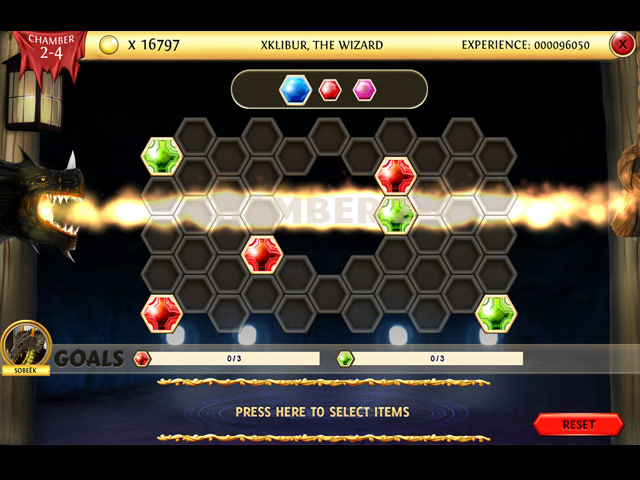
Dragonscales 1 Chambers Of The Dragon Whisperer

Here’s a description of DragonScales: Chambers of the Dragon Whisperer — what the game is, how it plays, its strengths & limits, and who might enjoy it.

Image
Image
Image

🎮 What is DragonScales: Chambers of the Dragon Whisperer

  • DragonScales is a tile‑matching / match‑3–style puzzle adventure game, but with a twist compared to classic match‑3. (IKIGames)
  • The theme revolves around mythic dragons and ancient “chambers”: you place dragon‑scales onto board(s), match colors, clear mysterious symbols, and — through successive “chambers” — attempt to free dragons and uncover their lairs. (GameTop.com)
  • The game was initially released around January 2015. (Metacritic)

🧩 Gameplay — How It Works & What to Expect

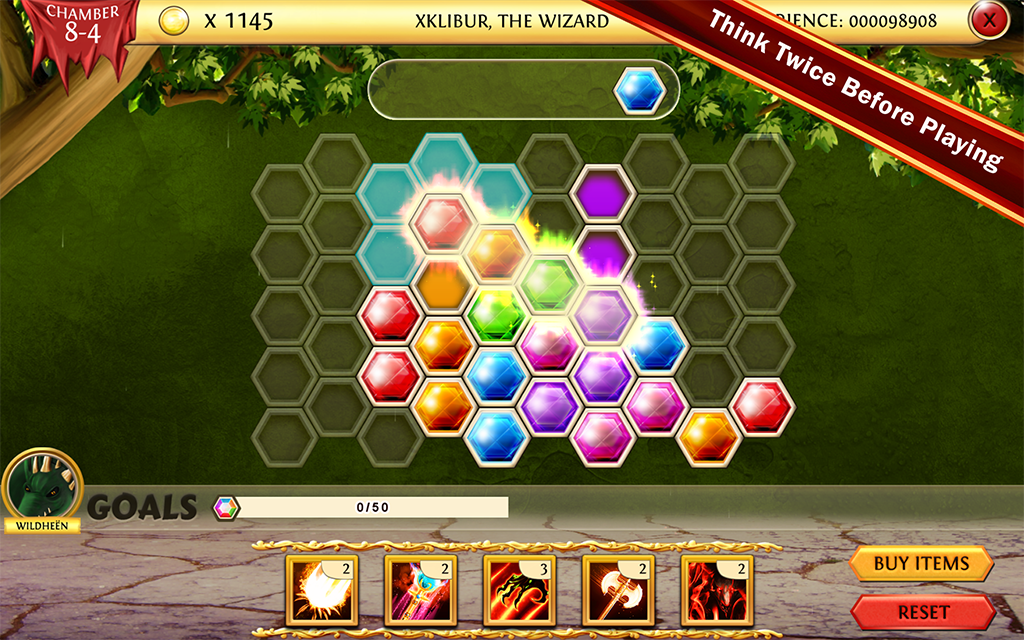
  • Instead of just swapping adjacent tiles, you “place scales” onto a board (often a hex‑ or tile‑grid) and aim to match multiple scales of the same color to clear them and trigger effects. (IKIGames)
  • Each “chamber” (i.e. level) may feature different shaped boards, special goal‑types (clear mythical symbols, capture special “cross‑scales”, etc.), and increasing complexity as you progress. (IKIGames)
  • As you succeed, you collect coins/items and unlock “powerful items”: e.g. “Sacred Hammers,” “Dragon Meteors,” “Power Blasts,” or similar — these help you overcome harder layouts or tricky obstacles. (IKIGames)
  • There are multiple “dragons” (8 dragons) in the game’s structure — each with its own set of “chambers” (levels). According to one source: 8 dragons × 7 chambers = total of 56 chambers/levels in the first game. (GameTop.com)
  • The game offers “brain‑fitness” style challenge: though it’s easy to pick up (easy to learn) — it gets progressively harder and rewards careful planning, board‑management and strategy rather than just random matching. (IKIGames)

✅ What Works & Where It Shines

  • Accessible yet strategic: Because the matching is via placing rather than just swapping, there’s a subtle strategic depth — you often need to think ahead to maximize clear‑chains, powerups and avoid getting stuck.
  • Varied challenges & replayability: With multiple chambers, different dragons, special board shapes and goals, it offers more variety than a standard “swap‑gem‑match” game.
  • Power‑ups & “boosters” add flavor: The special items (hammers, blasts, etc.) give extra tools — helpful for difficult levels, or for optimizing clears — adding layers beyond basic matching.
  • Relaxed but engaging pace: Not too intense or action‑heavy; more of a thoughtful puzzle game with mythic theme — good for casual gaming sessions but also for players who like thinking/planning.
  • Low system requirements: As a lighter‑weight game (compared to heavy 3D/AAA), should run fine even on modest PCs. (Steam Store)

⚠️ What to Know / Possible Limitations

  • Not “hardcore” action — mostly puzzle & matching: If you expect deep story, RPG elements or action, you might find it limited: it’s primarily a matching / puzzle‑strategy game, not a full RPG.
  • Repetitiveness possible: As with many match‑type games, after many levels the core mechanic (placing scales, matching colors) repeats; the variety comes from board shape or power‑ups, but the core remains matching.
  • Relatively modest community / coverage: Based on sources, the game doesn’t seem to have huge mainstream coverage or many major reviews; may mean fewer fresh updates or limited active player community. (Metacritic)
  • Some random / luck elements: Strategizing helps, but power‑ups and shape‑goals sometimes depend on tile‑placement luck, so some levels may be frustrating if luck doesn’t favor you.

🎯 Who Might Enjoy DragonScales

This game is a good match if you:

  • Like puzzle games and enjoy thinking, planning, and managing boards rather than fast reflexes.
  • Prefer casual to mid‑level challenge, with both relaxing and engaging elements.
  • Appreciate fantasy / dragon / mythical themes with a light magical vibe rather than immersive RPG.
  • Want a low-spec PC game that doesn’t demand a powerful system — ideal for casual play.

Quest of the Dragon Soul

Here’s a full description of Quest of the Dragon Soul — how it plays, what to expect, its strengths, and who might enjoy it.

🎮 What is Quest of the Dragon Soul

  • Quest of the Dragon Soul is a match‑3 puzzle adventure game. (GameTop.com)
  • The story: a dark evil threatens the magical realm (specifically the land called “Frozen Mountain”), and you play as a sorceress (or allied with her) to stop the evil. You must use “good magic” and your match‑3 skills to defend the kingdom and save it. (Metacritic)

🧩 Gameplay — How It Works

  • The core gameplay is match‑3: you match tiles to cast spells, trigger attacks or defenses, charge shields/boosts, and affect the battle against enemies. (GameTop.com)
  • As you progress, you travel across 9 distinct battle arenas — each with its own visual theme and challenges. (GameHouse.com)
  • You face over 50 different enemy types, from demons to magical creatures, each with their own art style (hand‑painted enemies). (GameTop.com)
  • Between battles you can unlock upgrades, power-ups, and boosts — improving your magic, spells or abilities as you advance through the game. (GameTop.com)
  • There are hidden chests and treasures in the world — part of the exploration/puzzle‑adventure appeal, not just pure matching. (GameTop.com)
  • The game includes audio atmosphere: according to the description, there’s an orchestral soundtrack accompanying regions/arenas to enhance immersion. (GameTop.com)

✅ Strengths & What Works

  • Good mix of puzzle mechanics + light fantasy adventure: not just matching for points but tied to a story (evil looming, magical kingdom at stake).
  • Variety: many enemy types, multiple arenas, upgrades and special boosts — gives more depth than a very basic match‑3.
  • Art & presentation: handcrafted enemies and fantasy-themed design give a more immersive fantasy-world feel.
  • Easy to pick up: as a match-3 game, it’s accessible — good for casual or occasional sessions.
  • Exploration + progression: hidden chests, upgrades, and “advancement” mechanics provide a sense of growth, not just repeating boards.

⚠️ Limitations / What to Keep in Mind

  • As a match‑3 game, complexity is limited compared to full RPGs — there’s only so much depth in matching mechanics vs. “real” RPG systems.
  • Because many enemies / boards / matches rely on repetition of the same core mechanic, it may feel repetitive over time, especially if you’ve played many match‑3 games before.
  • From what I saw — there’s not much recent critical review or large community buzz: on some platforms it has rather low or modest ratings. (GameTop.com)

🎯 Who Might Enjoy Quest of the Dragon Soul

You might enjoy this game if you:

  • Like match‑3 puzzle games but want a bit more than just “swap gems for points.”
  • Enjoy fantasy / magical themes — dragons, demons, kingdoms under threat, magic spells.
  • Prefer casual to mid‑level difficulty, light adventure + puzzle rather than heavy RPGs or action games.
  • Want an accessible PC game (runs on modest system requirements) that offers some light progression and exploration rather than just standalone levels.

Jewel Match 4

Here’s a detailed description for Jewel Match 4:


Jewel Match 4 is an engaging match-3 puzzle adventure game that challenges players to connect four or more jewels of the same color to complete levels and uncover hidden treasures. With vibrant graphics, immersive sound effects, and hundreds of increasingly challenging levels, the game combines strategic thinking with a relaxing, casual gameplay experience.

Players explore diverse worlds, from ancient ruins to magical landscapes, each filled with unique obstacles, power-ups, and special jewels. By forming chains of jewels, players can activate boosters, clear difficult blocks, and solve puzzles to progress through the storyline.

Ideal for fans of puzzle games, Jewel Match 4 provides hours of entertainment with its mix of logic, planning, and colorful visuals, making it suitable for all ages.

Key Features:

  • Hundreds of levels with increasing difficulty.
  • Unique boosters and power-ups to enhance gameplay.
  • Beautiful, colorful graphics and immersive sound design.
  • Hidden treasures and surprises to unlock as you progress.
  • Casual yet challenging gameplay suitable for all ages.

Runefall

Here’s a description of Runefall — if you like match‑3 games but also enjoy exploration, quests, and a bit of town‑building, Runefall gives you a nice twist on the genre. (Steam Store)

🎯 What is Runefall

Runefall is a match‑3 puzzle + adventure game set in a medieval fantasy world. Instead of just matching jewels or tiles on a static board, each match advances your character across large, explorable maps. (Steam Store)

You play as (or join) the people of the ruined village Rivermoor, located in the kingdom Silverdale. The town has fallen into disrepair (due to war or calamity), and your goal is to rebuild Rivermoor by gathering resources—like gold, wood, and stone—through solving match‑3 puzzles. (fgl.com)

Throughout the journey you’ll collect hidden artifacts and “runes,” open treasure chests, unlock secret areas, and gradually restore the village’s structures. (GameTop.com)

🧩 Gameplay Mechanics & Features

  • Match‑3 meets exploration: Every time you match tiles, the camera shifts — your character moves across the environment, letting you traverse swamps, forests, mountains, ruins — rather than staying on a fixed board. (Steam Store)
  • Resource collection & town building: By matching resources (wood, stone, gold), you gather materials to rebuild and upgrade buildings in Rivermoor. As the town improves, you unlock bonuses, power‑ups and additional gameplay features. (GameTop.com)
  • Quests, exploration & secrets: The game includes quests from townsfolk, hidden artifacts and runes to discover, secret areas to uncover, and environmental obstacles like rivers, cliffs, or overgrown vines that you need to navigate. (GameTop.com)
  • Story & atmosphere: The setting and narrative give more depth than typical match‑3 games: you help rebuild a once‑thriving medieval village and restore hope to its people. (fgl.com)
  • Casual, accessible, but with layers: Runefall remains accessible for casual players, but its mix of puzzle, resource management, exploration, and story makes it richer than a typical casual puzzle game. (Steambase)

📦 Technical & Release Info

  • Released on June 6, 2018 on PC (and via various online platforms) by developer Playcademy. (Steam Store)
  • Supports single-player, with language support in multiple languages. (Steam Store)
  • Minimal system requirements — modest specs (so should run even on relatively old PCs). (PCGameBenchmark)

Since you create gaming‑related content often, Runefall could be a good fit if you like match‑3 mechanics + light story + casual exploration — simpler than a full RPG but more interesting than a basic match‑3.

Heroes of Hellas Origins: Part One

Image
Image
Image

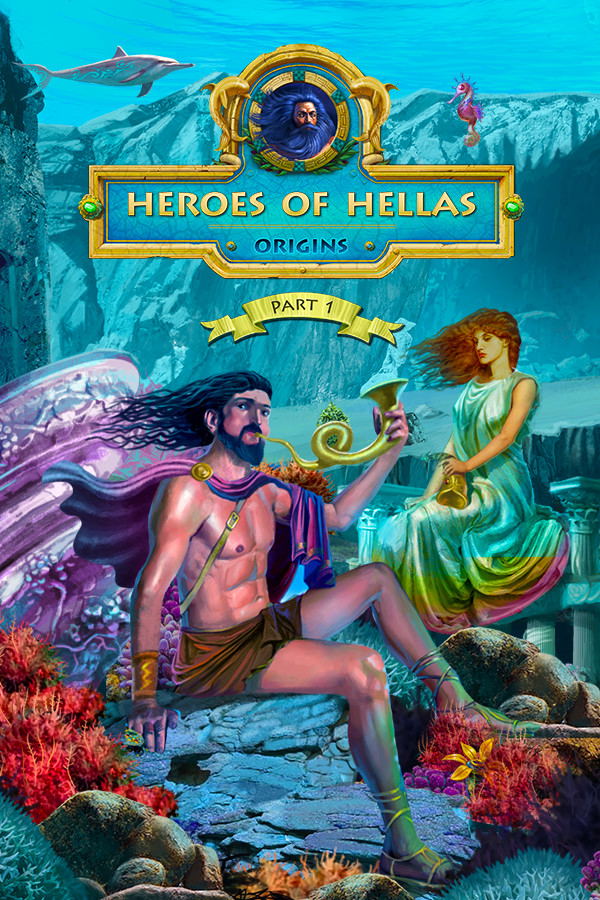
Here’s a description of Heroes of Hellas Origins: Part One — what it is, how it plays, and what makes it distinctive (and what to expect).


🎯 What is Heroes of Hellas Origins: Part One

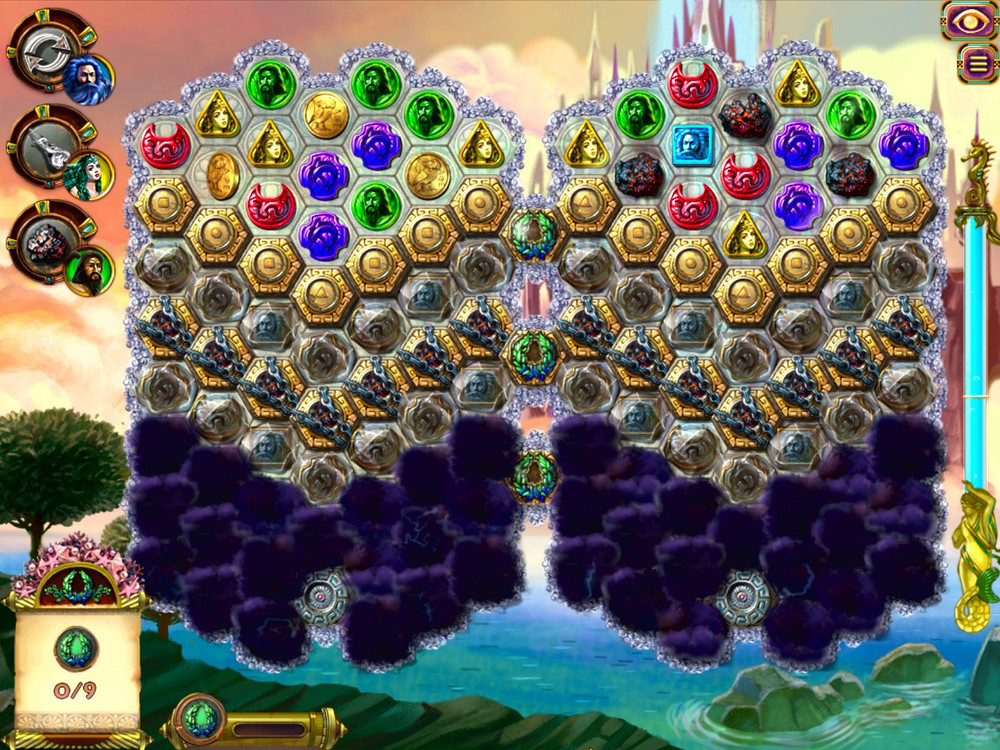
  • Heroes of Hellas Origins: Part One is a match‑3 / puzzle‑adventure game for PC (Windows). (Steam Store)
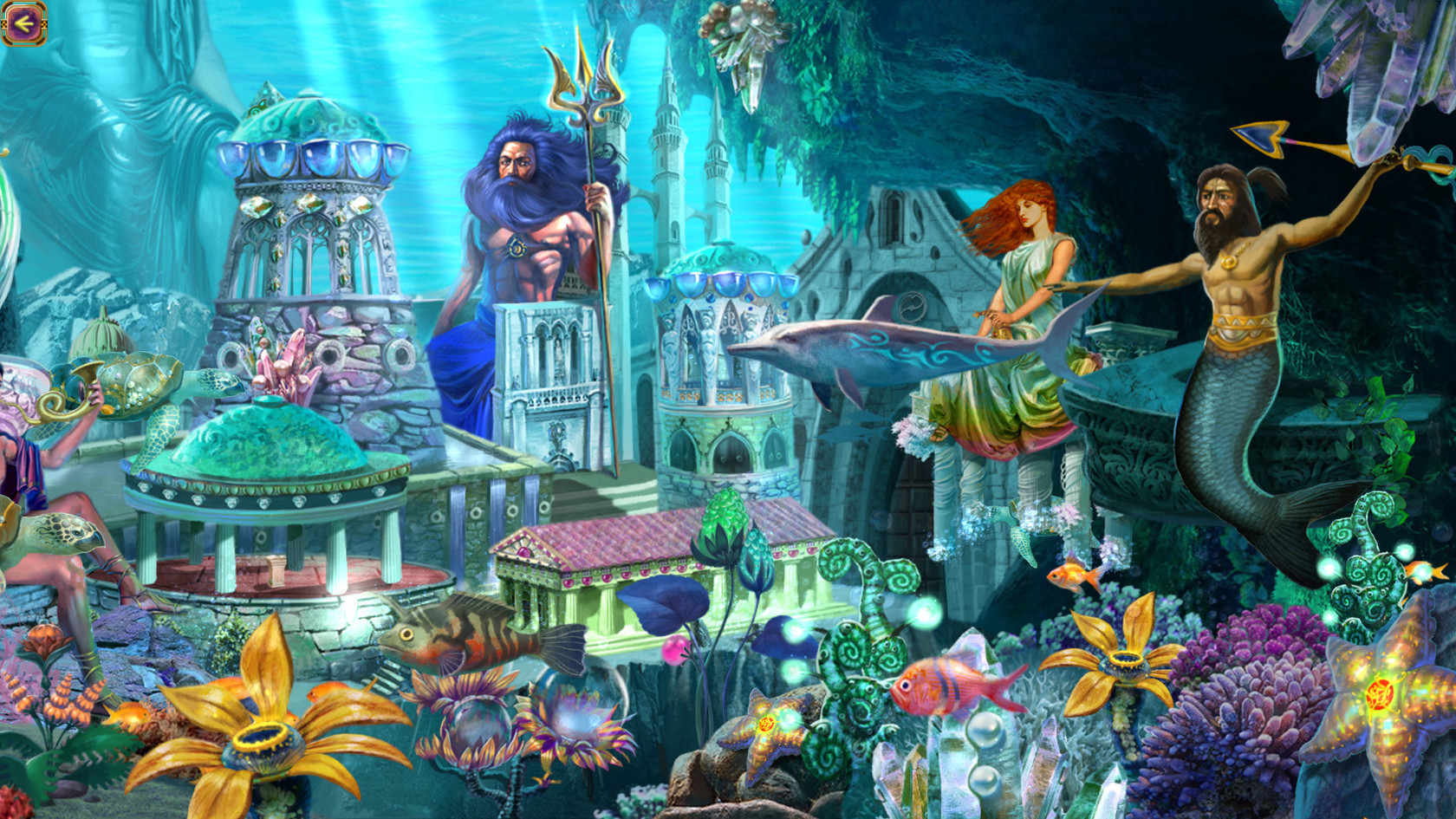
  • It uses a mythological / ancient‑Greek / underwater‑fantasy theme: as the game opens, the realm of Hellas is falling into chaos, and gods — starting with Poseidon — call on you to restore balance. (Steam Store)
  • The game was released on October 9, 2019. (Steam Store)

🧩 Gameplay Mechanics & Features

  • The core gameplay is classic match‑3 style: you create chains of shimmering tokens/gems to clear obstacles and gather magical items. (GameTop.com)
  • As you progress, you also build and “reveal” an underwater/undersea world — successful matches and level completions gradually restore the realm, giving a sense of world‑building alongside puzzle progression. (Alawar Land)
  • The game includes “God powers” / bonuses: you can enlist help from gods to clear boards faster or help in tricky situations. (GameTop.com)
  • Besides regular match‑3 levels, there are special puzzle‑boards that offer variety — giving you tasks or board layouts that need more planning than standard matches. (Steam Store)
  • There are many levels (dozens) across mythic or themed stages — giving a full “journey” rather than a short demo. (GameTop.com)

🌍 Theme, Atmosphere & Story

  • The setting is rooted in ancient Greek / mythological lore: chaos has engulfed Hellas, and gods intervene to summon a hero (you) to restore peace. (Steam Store)
  • As you clear levels and progress, you gradually restore an underwater / mystical world — the visuals and audio aim to deliver an immersive and somewhat magical experience. (Alawar Land)
  • The game mixes casual puzzle‑fun with a light narrative of gods, magic, and restoration, giving the match‑3 action more context than “just gems.” (GameHouse.com)

✅ What It Does Well — Strengths

  • Accessible yet thematic: Match‑3 gameplay is easy to pick up, but the Greek myth + underwater‑world theme adds flavor and atmosphere, which makes it more engaging than a plain “bejeweled clone.”
  • Good pacing & variety: With standard levels, special puzzle‑boards, and bonus/god‑powered abilities, the game avoids becoming monotonous quickly.
  • Decent value for casual players: Dozens of levels and a progression of building the underwater realm give satisfying “progress + reward” feel without overwhelming complexity.
  • Visually and audibly appealing: The game reportedly offers a nice audiovisual package, with effects for long chains/bonuses and an oceanic/mystic environment that enhances immersion. (Steam Store)

⚠️ What to Know / Limitations

  • It remains fundamentally a casual match‑3 game — don’t expect deep RPG mechanics, heavy strategy, or long-form story depth.
  • As with many match‑3 games: later levels can get more challenging, sometimes relying on luck or using bonuses to clear difficult boards — might feel repetitive if you dislike that.
  • The “story” and “mythological narrative” mostly serve as framing/context. The gameplay loop remains “match → clear → rebuild/advance,” so if you prefer narrative-rich games, this might feel light.

🎮 What Playing It Feels Like

Playing Heroes of Hellas Origins: Part One feels like embarking on a mythical undersea puzzle‑quest: you match tokens, trigger magical effects, slowly rebuild a sunken or chaotic world, and sense the presence of gods guiding your actions. It’s relaxing yet engaging — ideal if you enjoy casual puzzles with a bit of fantasy flavor rather than raw arcade or hardcore challenge.


Lost in Reefs Match 3
Image
Image
Image

Here’s a description of Lost in Reefs Match 3 — what it is, how it plays, and what makes it (or doesn’t) stand out.


🎯 What is Lost in Reefs Match 3

  • Lost in Reefs Match 3 is a match‑3 / puzzle‑casual game set in an underwater / sunken‑city theme. (GameTop.com)
  • As you solve puzzles, you gradually reconstruct a forgotten underwater city / civilization that sank into the depths long ago. Your progress across levels helps “raise” districts and reveal more of the city’s ruins and secrets. (GameTop.com)

🧩 Gameplay Mechanics & Features

  • The core gameplay is match‑3: you match tiles to break “marble plaques” / stone tiles covering the board. By matching over them you clear them and free up space. (GameHouse.com)
  • There are multiple gameplay modes — depending on the level, you may use different board layouts. The game offers variety beyond a plain “match‑3 every time.” (GameHouse.com)
  • As you clear boards, you collect resources. These resources are then used to build/restore parts of the underwater city — so there’s a city‑building / progression element on top of puzzles. (MacGameStore)
  • The game is relatively lightweight and modest in size (small download size), which makes it accessible for modest PCs. (GameTop.com)
  • It features a relaxing atmosphere: underwater visuals, calm (or ambient) soundtrack, and a casual pace — more “explore & restore” than “race against time.” (GameHouse.com)

🌊 Theme, Atmosphere & “What It Feels Like”

  • The setting is a sunken civilization beneath the sea — giving the game a sense of mystery: ruins, hidden city, underwater exploration feel. (WildTangent)
  • Because of the “restore city + puzzles” loop, playing Lost in Reefs feels like a cautious underwater expedition: you solve one puzzle, uncover a bit of history, rebuild part of the city, then dive deeper. Over time, you gradually see visible progress (new districts, city structures), rather than just clearing arbitrary levels.
  • The combination of puzzles + gradual rebuilding + calm atmosphere makes it suitable for casual, relaxed sessions, where you want low pressure and a nice sense of progression — more “discovery & light challenge” than “intense or competitive.”

✅ What It Does Well — Strengths

  • Blend of puzzle + light city‑building: The mix of match‑3 mechanics with resource collection and city restoration gives more purpose to puzzles compared with games that just “match for points.”
  • Accessible & relaxed: Simple match‑3 rules, combined with a casual pace and modest system requirements, makes it easy to pick up and play — good for casual gamers or quick sessions.
  • Atmosphere & presentation: The underwater + sunken‑city theme adds flavor and ambience, which helps make the game feel more than just another gem‑matcher.
  • Variety in levels / modes: Because of different modes or board layouts, it avoids feeling too repetitive immediately — there’s some variety.

⚠️ What to Know / Possible Limitations

  • The “city‑building” aspect is mostly cosmetic/progression‑based: it doesn’t turn the game into a deep simulation or elaborate strategy game. It remains fundamentally a match‑3 puzzle.
  • Over time (especially after many levels), the core match‑3 mechanic may feel repetitive — as with many puzzle‑casual games. The novelty of “uncovering city” may wear off after a while, if you don’t enjoy the “match + rebuild + repeat” loop.
  • The game is older / simpler: visuals, effects, and mechanics are not “modern AAA” — but that’s part of its charm if you appreciate simpler, lightweight casual games.

🧑‍💻 What Playing It Feels Like

Playing Lost in Reefs Match 3 feels like exploring a forgotten underwater kingdom — each match removes layers of stone, each cleared tile reveals treasures or resources, and with each level the ruined city slowly comes back to life. It’s soothing, somewhat meditative, and gives a subtle “progress + reward” feeling rather than forcing you into high-stress, fast‑paced gameplay. Good for when you want to unwind, puzzle casually, and feel a bit of satisfaction with building/restoration.


Fishdom Frosty Splash

Image
Image
Image

Here’s a detailed breakdown of Fishdom: Frosty Splash — what it is, how it plays, what makes it special (and what to watch out for) in case you think of trying it.


🎯 What is Fishdom: Frosty Splash

  • Fishdom: Frosty Splash is a match‑3 / puzzle + aquarium‑decoration game by Playrix. (MobyGames)
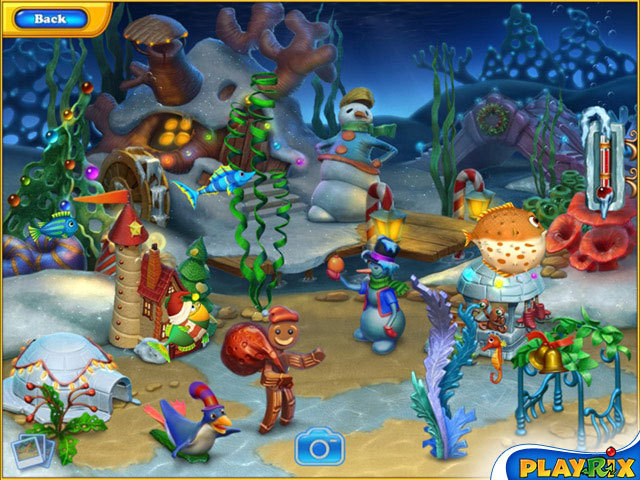
  • It’s a seasonal/festive variant in the broader Fishdom series — this version gives the underwater aquarium a winter / holiday / “frosty” makeover (snow, festive decorations, winter-themed fishes & items). (GameHouse.com)
  • Originally released in 2009 (on Windows), and has been available for Windows (other versions in the Fishdom series run on multiple platforms). (MobyGames)

🧩 Gameplay & Mechanics

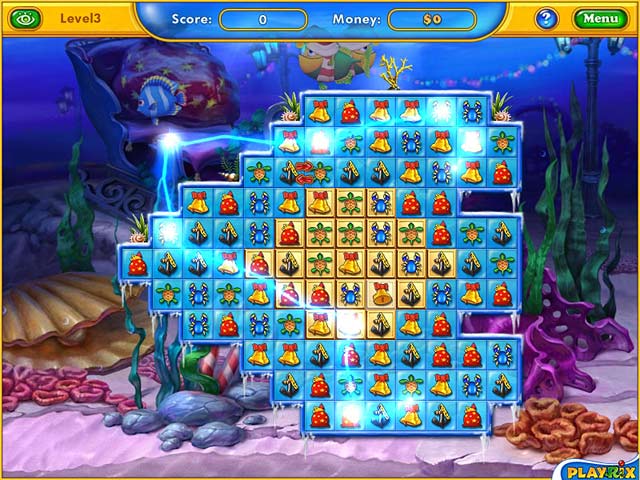
  • The core is match‑3 puzzle gameplay: you swap adjacent tiles to form a row or column of 3+ identical items to clear them. Doing this clears golden tiles (or other target tiles) to complete levels. (Gamezebo)
  • Completing levels earns you coins / in‑game currency. These coins are used to buy fish, decorations, plants, and special winter/winter‑holiday themed items to decorate your aquarium. (GameTop.com)
  • Tanks (aquariums) are customizable — you can place decorative items, fish, plants, winter ornaments; the number of possible tanks is unlimited, letting you build multiple aquariums. (MacGameStore)
  • There are two modes of play: a “Relaxed” mode (no time pressure) and a “Timed / challenge” mode (for more traditional match‑3 difficulty). (MacGameStore)
  • The game often includes power‑ups and bonus tiles (like bombs, line‑clearers, or other special tiles) when you create larger matches or combos — helpful in tougher boards. (Gamezebo)
  • As you progress, the boards can become harder: bigger, more complex shape or with “locked / double‑locked” tiles and obstacles, increasing challenge beyond basic matching. (Gamezebo)

🎄 Theme & Atmosphere

  • The “frosty / winter holiday aquarium” theme gives the game a cozy, seasonal vibe — instead of a common tropical tank, you decorate with snow‑themed plants, winter ornaments, penguins or holiday‑style fish and accessories. (GameHouse.com)
  • Decorations can include snowmen, candy canes, winter corals/sea‑plants, festive ornaments — giving a holiday‑aquarium aesthetic rather than classic aquarium. (GameHouse.com)
  • You even have the option to turn your decorated aquarium into a screensaver, which adds a casual, decorative reward — nice for players who enjoy the “design / customization” side of things. (MobyGames)

✅ What Works / Strengths

  • Casual and relaxing: The match‑3 + aquarium decoration loop is easygoing — good for short sessions or chill gaming.
  • Dual appeal: puzzles + creativity: If you enjoy both puzzle solving and creative decoration/collection, this gives you both — matching tiles for coins, then decorating and building aquariums.
  • Seasonal / festive vibe: The winter / holiday theme feels cozy and distinct — nice if you like whimsical or festive aesthetics rather than generic.
  • Flexibility: Relaxed mode allows for stress‑free play, while timed/regular mode gives challenge. Plus unlimited tanks — plenty of replay value.
  • Power‑ups & variety: Special tiles and board obstacles add enough challenge and variety to avoid monotony while staying accessible.

⚠️ What to Know / Possible Downsides

  • The story / narrative is minimal — it’s mainly puzzle + decoration, so don’t expect deep plot or character-driven adventure.
  • If you’re used to complex modern puzzle games, the mechanics might feel simple or old‑school, since the core is basic match‑3.
  • As levels progress, obstacle tiles/locked tiles may appear, which may require luck + good use of power‑ups — so difficulty can sometimes feel less about skill, more about randomness/tile drops.
  • For players who dislike “cosmetic / decoration grinding,” the process of collecting coins → buying decorations may feel repetitive over time.

🧑‍💻 What Playing It Feels Like

Playing Fishdom: Frosty Splash feels like a cozy winter evening: you solve tile puzzles, then step back and decorate an aquarium full of snow‑themed decorations and fish as if building a winter underwater snow‑globe. It’s ideal for casual, relaxing sessions when you want something easy but with a bit of charm — and satisfying if you enjoy both puzzles and decorating/collecting.


Jewel Match

Image
Image
Image

Here’s a description of Jewel Match — what it is, how it plays, and what to expect if you try it:


🎯 What is Jewel Match

  • Jewel Match is a match‑3 / casual puzzle game developed by Suricate Software. (MacGameStore)
  • It was originally released in 2007. (MacGameStore)
  • The game is designed for players who enjoy gem‑matching and relaxing puzzle sessions — it doesn’t aim to be a heavy RPG or action game. (MacGameStore)

🧩 Gameplay & Core Mechanics

  • The basic mechanic: you swap adjacent gems/jewels on a grid to form lines (or clusters) of three or more identical jewels. Once matched, those jewels disappear from the board. (MacGameStore)
  • The game features 150 levels in total. (MacGameStore)
  • There are two main modes:
    • Regular (timed / classic) — adds some pressure if there’s a timer. (MacGameStore)
    • Relaxed mode — for casual play without time pressure. (MacGameStore)

✅ What Makes It Appealing

  • Simple and accessible — Easy to learn (swap & match), so good even for newcomers or casual players.
  • Large amount of content — With 150 levels, there’s plenty of gameplay for a casual puzzle game.
  • Flexible play style — Option to relax (no time pressure) or challenge yourself (regular mode).
  • Classic match‑3 satisfaction — Swapping, matching, watching jewels pop — the basic “match‑3 fun.”

⚠️ What to Expect / Limitations

  • The game is fairly basic/straightforward — it doesn’t have deep story, RPG‑style progression, or heavy strategy. It’s “just” a match‑3.
  • For players used to modern puzzle games with many mechanics (power‑ups, combo systems, complex boards), Jewel Match may feel simpler or more old‑school.
  • As with many match‑3 games: later levels may rely partly on luck (tile drops) more than pure skill — success can depend on what the board gives you after each clear.

🎮 What Playing It Feels Like

Playing Jewel Match feels like a classic gem‑matching session: you scan the board, look for possible swaps, match jewels, maybe chain combos, and slowly progress through level after level. It’s ideal when you want a light, low‑pressure, relaxing puzzle experience — whether you have a few minutes to spare or want to unwind with a simple game loop.


Lost in Reefs 2

Image
Image
Image

Here’s a description of Lost in Reefs 2 — what it is, how it plays, and what kind of experience you might expect from it.


🎯 What is Lost in Reefs 2

  • Lost in Reefs 2 is a match‑3 / tile‑matching puzzle‑adventure game set in an underwater / sunken‑city theme. (GameTop.com)
  • It was developed by Rumbic Studio and published by Big Fish Games. (MobyGames)
  • The premise: you explore the ruins of a lost civilization — a submerged city — and restore it piece by piece by playing match‑3 levels. (GameHouse.com)

🧩 Gameplay Mechanics & Key Features

What makes Lost in Reefs 2 stand out among basic match‑3 games:

  • Multiple matching modes: Unlike many simple match‑3s, you can play via Swap (traditional), Chain (trace a chain of identical tiles), or Group — grouping/exploding clusters of similar-colored tiles. (Metacritic)
  • Different board shapes: You can get both classical rectangular/square boards and hex‑shaped boards — which changes gameplay strategy and adds variety. (Metacritic)
  • Resource collection & city‑building element: As you clear levels, you gather resources used to gradually reconstruct the underwater town — giving a sense of progression beyond just puzzle clearing. (GameTop.com)
  • Many levels: The game offers a substantial amount of content — hundreds of levels (300+ per some descriptions) to play through. (GameTop.com)
  • Relaxing atmosphere: The art, music, and underwater visuals aim to create a calming, exploratory vibe rather than a high‑pressure arcade feel. (GameTop.com)

🌊 Theme, Mood & Presentation

  • The underwater / sunken city + ancient‑civilization back‑story gives Lost in Reefs 2 a more atmospheric, sometimes even slightly mysterious tone vs. many plain match‑3 games. (MobyGames)
  • Visually, expect colorful underwater scenery, maybe ruins, corals or sea motifs — matching gems or tiles themed accordingly, which fits well with the exploration / discovery vibe the game tries to deliver. (GameTop.com)
  • The “city‑rebuilding” reward loop adds a sense of gradual accomplishment: as you progress, you see tangible progress (the underwater town getting restored) rather than just moving from level to level. (GameTop.com)

✅ What It Does Well — Strengths

  • Varied matching mechanics make it more flexible and interesting than a “basic swap-only” match‑3. The ability to choose how you match (swap / chain / group) and different board shapes can keep gameplay fresh.
  • Long gameplay for casual players — with hundreds of levels and city‑building elements, it’s good for extended, relaxed play sessions.
  • Atmospheric & immersive theme — the underwater / lost‑city concept gives a nice aesthetic flavor and a sense of exploration that some match‑3 games lack.
  • Accessible and easy to jump into — match‑3 basics remain simple, so even casual or new players can enjoy it, but there’s enough depth for players who like a bit more than just swapping.

⚠️ What to Know / Possible Drawbacks

  • Limited narrative depth: While there’s a back‑story (sunken city, lost civilization), the narrative is mostly a framing device; the focus remains on puzzles rather than story. (GameTop.com)
  • Can feel repetitive over time: As with many match‑3 + resource games, after many levels the patterns may become familiar and challenge/novelty may plateau. (GameTop.com)
  • Not a “hardcore” puzzle challenge — difficulty and complexity are moderate, so if you prefer deep strategy or tough challenge, it may seem easy or shallow. (GameFAQs)

🎮 What Playing It Feels Like

Playing Lost in Reefs 2 feels like a relaxing underwater expedition + puzzle hunt: you dive into coral‑coloured boards, match gems, break plaques, find resources — and gradually bring a forgotten underwater city back to life. It balances calm and challenge: casual enough for quick play, but with enough variation (board shapes, matching modes, resource rewards) to stay engaging over longer sessions.

If you enjoy match‑3 games with a bit of variety and a mellow, atmospheric vibe, Lost in Reefs 2 is a solid choice.


Fishdom Harvest Splash

Image
Image
Image

Here’s a description of Fishdom: Harvest Splash — what it is, how it plays, and what kind of experience it offers.


🎯 What is Fishdom: Harvest Splash

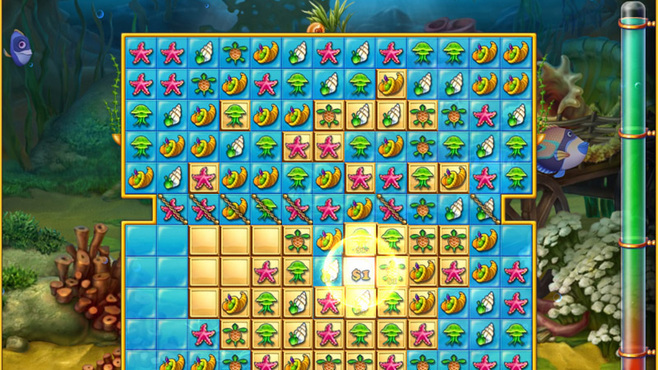
  • Fishdom: Harvest Splash is a match‑3 / puzzle game with an aquarium‑decor/“tank‑building” twist. (GameTop.com)
  • It’s part of the broader Fishdom series, developed by Playrix. (Wikipedia)
  • The theme is fall / harvest‑season meets underwater aquarium — meaning decorations, fish, and tank items follow a harvest / autumn / cozy‑sea aesthetic (pumpkins, cornucopia‑style decor, harvest-themed fish & accessories) rather than bright tropical or classic aquarium style. (GameTop.com)

🧩 Gameplay & Features

  • The core gameplay is standard match‑3: you swap tiles to match 3 (or more) identical icons/tiles to clear them, earn money/coins, and progress through levels. (iWin)
  • After you earn in‑game money, you can buy fish, decorations, and accessories to design and customize your own festive “harvest‑themed” aquarium tank. (GameTop.com)
  • The game offers many fish and decoration options — reportedly up to ~100 harvest‑themed fish/items/accessories. (GameTop.com)
  • You can build multiple (or even unlimited) tanks if you like — so customization and replayability are a big part of the appeal. (MacGameStore)
  • There are two main modes of play: a timed / “against the clock” mode for challenge, and a relaxed / casual mode for leisurely play without time pressure. (PS Illustrated)
  • As you decorate and upgrade your tank, the game gives you trophies (bronze, silver, gold) for reaching decoration/collection goals — this adds a progression/achievement layer beyond simple puzzles. (PS Illustrated)

🎨 Atmosphere, Style & What Makes It Special

  • The “harvest + underwater aquarium” theme is quite unique: instead of a typical colorful coral‑reef or fish‑tank vibe, you get cozy autumn / harvest decorations underwater (pumpkins, fall leaves, autumn‑themed decor) — giving a more whimsical, relaxing, even seasonal feel. (PS Illustrated)
  • Graphics, tile designs, and the environments tend to be charming, lighthearted, and visually appealing (especially if you like cute or decorative games). (PS Illustrated)
  • The combination of puzzle + customization + collection/decoration offers a relaxing “goal + reward + creativity” loop: solve puzzles → earn coins → decorate/upgrade → enjoy your aquarium.

✅ What It Does Well

  • Great for casual players or puzzle fans: easy match‑3 mechanics — good “pick‑up‑and‑play” style.
  • Customization and creativity: the ability to decorate tanks, choose fish and items, and build multiple aquariums gives the game more depth and replay value than a simple match‑3.
  • Relaxed and fun vibe: especially if you enjoy atmospheric, cozy, or seasonal themes — Harvest Splash does a good job mixing fall/harvest aesthetics with fun aquarium‑style visuals.
  • Flexible playstyle: you can go for casual, relaxed sessions or try for trophy‑goals and more challenge with timed modes — whichever suits your mood.

⚠️ What to Know / Limitations

  • There is no deep or serious storyline — the game is more about puzzles + decoration than narrative or plot. (GameTop.com)
  • As with many match‑3 games: for experienced or hardcore puzzle‑game players, the challenge may be modest, or repeatable — it’s not a “tough” or “hardcore” puzzle experience. (GameFAQs)
  • “Decoration / aquarium‑building” is mostly aesthetic: while enjoyable, it doesn’t offer heavy simulation or management depth — it’s lighter than a full “virtual aquarium sim.”

🎮 What Playing It Feels Like

Playing Fishdom: Harvest Splash feels like a cozy little underwater harvest festival: you swap tiles, match gems or icons, earn coins, then take a break to decorate your underwater tank with pumpkins, autumn lights, fish — all in a relaxing, casual loop. It’s low‑stress and friendly, combining the satisfaction of “beating a puzzle” with “building something nice.” Good for unwinding, short sessions, or whenever you want a chill, creative diversion rather than a serious game grind.


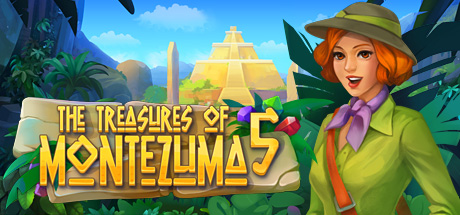
The Treasures Of Montezuma 5
Image
Image
Image

Here’s a detailed overview of The Treasures of Montezuma 5 — what it is, how it plays, and what players often like or dislike about it.


🎯 What is The Treasures of Montezuma 5

  • It’s a match‑3 puzzle adventure game for PC (Windows, macOS) developed by Wellore and published by Alawar Entertainment / ESDigital Games. (Steam Store)
  • The theme draws on Aztec / ancient‑temple / treasure‑hunt imagery: you explore jungles and ruins in search of ancient treasures, using gem‑matching as the core mechanic. (GameHouse.com)
  • First released in late 2015 (Steam release date: December 28, 2015). (Steam Store)

🧩 Gameplay Mechanics & Features

  • Classic match‑3 core: you match three or more gems/tokens to clear them from the board and earn points / progress. (GameTop.com)
  • Totems & bonuses: Matching gems charges special “totems,” which you can activate for explosive bonuses and chain reactions — a hook that sets it apart from a plain match‑3. (MobyGames)
  • Multiple game modes & level types: The game offers different modes (casual, timed, treasure‑hunt/quest modes) — so you get variety beyond just “match gems until board clears.” (Steam Store)
  • Upgrades & meta‑progression: Between levels you can visit an in‑game “store” to upgrade your powers/totems, which helps tackle more difficult boards. (Steam Store)
  • Longer levels & challenging goals: Compared with earlier games in the series, Montezuma 5 often gives longer play times per level and tougher objectives — aimed at adding more depth and challenge. (MacGameStore)
  • Visuals & polish: The game is described as “butter‑smooth” with “jaw‑dropping visuals” — gem animations, effects, and Aztec‑ruin backgrounds add to the immersive feel. (MacGameStore)

🌍 Story / Theme / Atmosphere

  • The setting is an expedition into ancient Aztec temples: you venture through jungles and ruins, seeking lost treasures and awakening magical totems. (MobyGames)
  • While the “story” isn’t RPG‑deep, the treasure‑hunt + ancient‑temple vibe gives the game some flavor and context — it feels like more than “just matching gems.” (GameHouse.com)

✅ What It Does Well (Strengths)

  • Good for match‑3 fans: If you enjoy gem‑matching games, the addition of totems, bonuses, and upgrades makes Montezuma 5 richer and more strategic than many clones.
  • Replayability & variety: With different modes, many levels, and upgrade mechanics, it stays engaging longer than simple one‑mode match‑3 games.
  • Polished presentation: Many players appreciate the graphics, gem effects, colorful art, and design quality.
  • Flexible for casual or more invested play: You can enjoy it casually (relaxed or easier modes) or push for high scores and mastery with timed/quest modes and totem upgrades.

⚠️ What to Know / Common Criticisms

  • Mixed reviews overall: On Steam (and across community feedback) its reception is “Mixed” — some people love it, but others found issues. (Steam Store)
  • Repetitiveness / formulaic feel: Some players feel that after many levels the match‑3 loops — even with bonuses — start to feel repetitive or lose novelty. (GameTop.com)
  • Difficulty spikes / time pressure complaints: As levels get harder, the game can become more frustrating — especially for those who dislike timer‑based or pressured match‑3 puzzles. (ky-ky.net)
  • Comparisons with previous entries: Some fans of the series consider earlier versions (like Montezuma 3 or 4) superior in challenge or content — and see 5 as weaker in those respects. (GameLoop)

🎮 What It Feels Like to Play

Playing The Treasures of Montezuma 5 feels like a gem‑matching treasure hunt: you line up gems, trigger combos, charge magical totems, and gradually dig deeper into ancient temples. The mix of simple mechanics, satisfying visuals, and upgrade/totem systems gives a good balance — it can be relaxing and casual, or more intense and strategic depending on how you play. It’s probably most appealing if you enjoy match‑3 games and are comfortable with a bit of challenge and repetition.


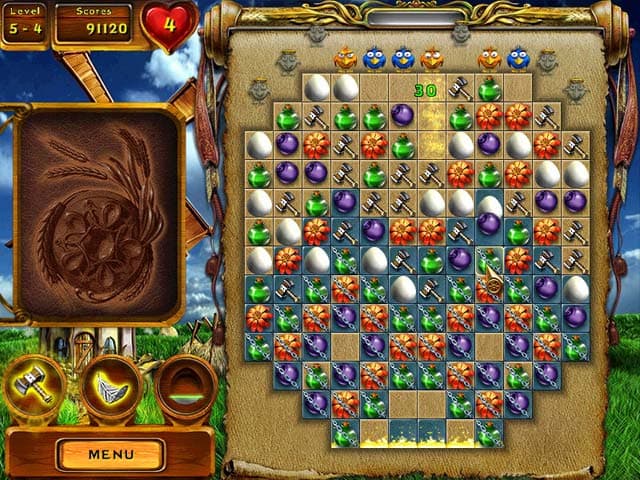
Gallic Puzzle Match 3
Image
Image
Image

Here’s a breakdown of Gallic Puzzle Match 3 — what it is, how it plays, and what to expect in terms of mechanics and vibes.


🎯 What is Gallic Puzzle Match 3

  • Gallic Puzzle Match 3 is a match‑3 / tile‑matching puzzle game for PC (Windows) developed by Awem Games. (GameTop.com)
  • The game is small — file size ~ 16 MB — and positioned as a lightweight, casual puzzle game. (GameTop.com)
  • It’s offered free (or at least via free download) by distributors in “full version” form (no trial limitations), which makes it accessible and safe for casual, low‑commitment play. (GameTop.com)

🧩 Gameplay Mechanics & Features

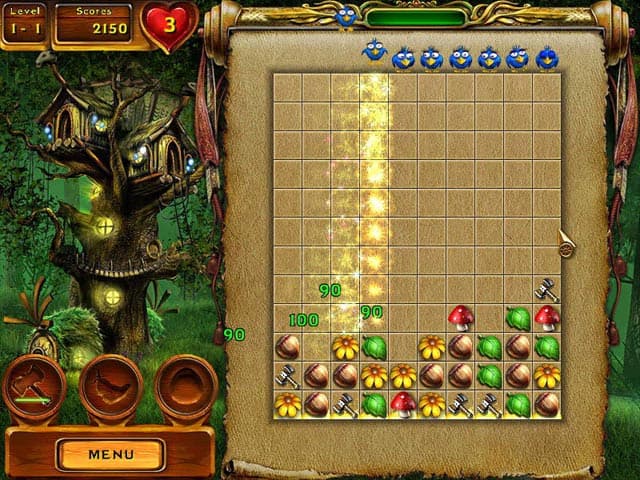
  • Core match‑3 mechanics: You swap adjacent tiles to make a line of 3 or more identical gems/tiles to clear them. (GameTop.com)
  • Objective per level: Each level begins with “blue box” tiles (or box‑tiles) that must be cleared to reveal a diamond beneath. Once the diamond is revealed, you then need to guide it to the bottom of the board. That bottom destination adds the diamond to a “jewel” you’re building across stages. (GameTop.com)
  • Tile‑drop / pressure mechanic: There’s a “danger” mechanic: in the lower rows, “birds” (ten of them) continuously deploy new tiles. If piles of tiles reach a bird, you lose a life — so you must balance clearing and drop‑management. (GameTop.com)
  • Bonuses / tools: To help, there are special bonuses/power‑ups such as “hammers” that break boxes or chains — handy when boxes/locked tiles block progress. (GameTop.com)
  • Progressive difficulty: As you advance through levels, puzzles become more complex: more blue‑box tiles, chain/locked tiles, and more careful planning needed to avoid losing when tile piles accumulate. (GameTop.com)

✅ What Makes It Appealing

  • Light and accessible — Short download, small file size, simple mechanics: great for casual play or older PCs.
  • More than a simple “match gems” — Because of diamond‑retrieval + bottom‑drop objective + “don’t reach the bird” pressure, the game adds strategic planning on top of basic matching.
  • Casual-but-challenging mix — Bonuses and increasing difficulty mean there’s some tension and reward for careful play, but you’re not fighting a hard core action game.
  • No heavy investment — As a small, easy, free game, it’s easy to try without committing a lot of time or resources.

⚠️ What to Keep in Mind

  • It’s fundamentally a casual puzzle game — don’t expect deep story, character progression, or complex adventure mechanics.
  • The “tile‑drop + pile‑pressure” mechanic adds occasional stress: if you ignore it, you might lose lives quickly — so it’s not purely relaxing if you go for high efficiency.
  • Because the game is small/lightweight, graphics and presentation are modest compared to modern AAA or even mid‑tier games — it’ll feel dated and simple by today’s standards.

🎮 What Playing It Feels Like

Playing Gallic Puzzle Match 3 is like a steadily escalating gem‑matching challenge: you start by clearing boxed tiles to reveal a gem, then guide it to the bottom while fending off tile‑piles creeping from the bottom. Matches feel satisfying, especially when you use power‑ups at the right time — but every few levels the pressure from the “birds deploying tiles” mechanic can ramp up, forcing you to think ahead. All in all: a small, casual-match‑3 for when you want a quick puzzle session without complex commitments.


Cavern Quest 2

Image
Image
Image

Here’s a description of Cavern Quest 2 — what it is, how it plays, and what you can expect if you try it.


🎯 What is Cavern Quest 2

  • Cavern Quest 2 is a match‑3 / puzzle‑adventure game for PC (Windows). (GameTop.com)
  • It’s developed by MD Studio. (Steam Store)
  • The game’s story centers on a stolen sacred relic — an apprentice steals it from the abbey and escapes to a mysterious underground cave‑city called Ermin‑tara. As the player, you chase after the thief; your mission is to recover the relic before dark forces merge the demon world with your world. (GameTop.com)

🧩 Gameplay Mechanics & Features

  • The core gameplay is match‑3 puzzles: you swap tiles to match three (or more) identical gems/items to clear them and fulfil objectives. (GameTop.com)
  • But it’s not just plain matching — the game blends match‑3 with adventure / hidden‑object and RPG-ish elements: spells, talents, power‑ups, and skills that you acquire and upgrade as you progress. (Ladies Gamers)
  • There are many different levels and locations — the game claims ~ 37 distinct hand‑painted locations to explore, each with its own match‑3 boards, obstacles, and goals. (GameTop.com)
  • Variety of game modes and difficulty levels: you can adjust difficulty and choose modes depending on your preference (relaxed / standard / more challenging). (GameTop.com)
  • Boss fights & strategy elements: Some levels involve combat-style puzzles: you and an enemy “face off,” and making certain matches deals damage or triggers special effects. This adds an extra layer beyond simple matching. (LifeisXbox)
  • Progression and unlockables: As you succeed in puzzles/quests, you unlock spells, talents, and special abilities — giving a modest sense of character progression rather than a “bare-bones” puzzle game. (LifeisXbox)

🌑 Theme, Atmosphere & Story

  • The setting is a mystical underground cave city (Ermin‑tara), with a dark, somewhat ominous back‑story (stolen relic, demon threat). This gives the game more narrative weight and atmosphere compared to a generic match‑3. (Steam Store)
  • The visuals tend to be hand‑painted and artistic, with varied locales — giving a “fantasy adventure” vibe more than a simple jewel‑matching vibe. (MacGameStore)
  • Music and sound accompany the mood: puzzles versus combat, exploration, and the darker tone of the story — giving a more immersive experience. (Ladies Gamers)

✅ What It Does Well — Strengths

  • Mix of genres: Match‑3 + adventure + light RPG elements + story — this hybrid gives more depth and variety than a plain puzzle game.
  • Varied gameplay: Because of different modes, battle puzzles, normal puzzles, and exploration, the game manages to stay fresh over many levels instead of becoming repetitive quickly.
  • Accessible yet deep enough: It’s easy to learn, but skills/spells/talents and boss fights add layers that can keep you engaged if you like a bit of strategy.
  • Atmosphere & art style: The cave‑city / fantasy setting and hand‑painted locales deliver a nice immersive aesthetic — more engaging than “just gems on a board.”

⚠️ What to Know / Potential Limitations

  • The storyline — while more than many match‑3s — is not deeply complex; if you expect a heavy narrative or rich character development, you might find it modest. (GameTop.com)
  • For maximum enjoyment, boss fights and tougher puzzles may require spells/skills — so it sometimes leans on those systems rather than pure tile‑matching skill. (LifeisXbox)
  • As with many match‑3‑based games: certain levels can feel like luck matters (tile drops), especially when you deal with chained/blocked tiles or obstacles.

🎮 What Playing It Feels Like

Playing Cavern Quest 2 feels like going on a mini fantasy‑adventure where puzzles and exploration are wrapped in a story of mystery, danger, and rescue. You’ll jump between matching gems to break obstacles or fight demons, then switch to exploration or story segments. The mix of puzzle, strategy (spells/talents), and narrative gives a satisfying balance: relaxing at times, stimulating at others — a nice fit for casual and more invested players alike.


footer adsterra --------------------- adcash ------------------