
adsterra clicadilla ---------------------- adcash ---------------
Pharaoh Puzzle

Image
Image
Image

Here’s a description of Pharaoh Puzzle — what the game is, how it plays, and what to expect.


🎯 What is Pharaoh Puzzle

  • Pharaoh Puzzle is a match‑3 / tile‑matching puzzle game for Windows. (GameTop.com)
  • The game is set in an ancient‑Egypt themed world: as you progress, you explore archaeological sites, uncover relics and treasures, and gradually build a “museum of wonders.” (GameTop.com)
  • The download size is small (~ 20 MB), meaning it’s a lightweight, accessible game for casual play. (GameTop.com)

🧩 Gameplay — Mechanics & Structure

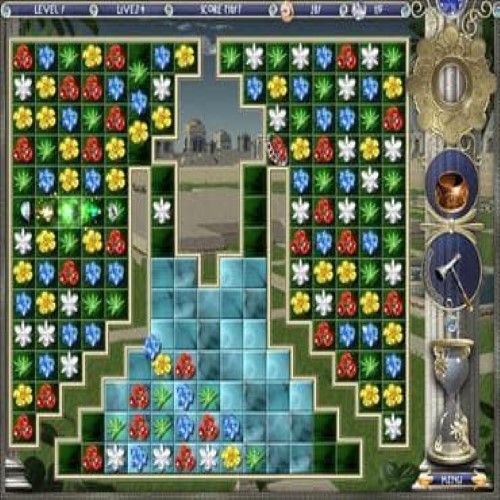
  • The core mechanic is classic match‑3: you match gems/tiles of the same color to clear them. (GameTop.com)
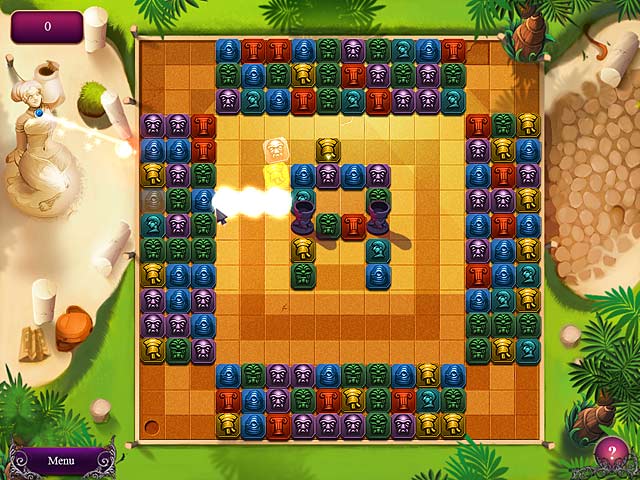
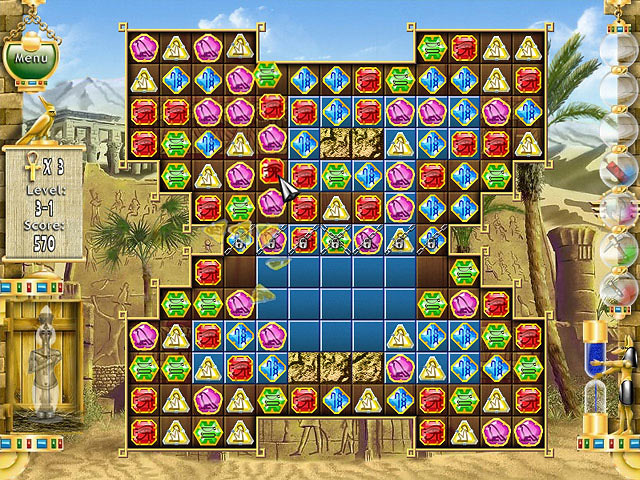
  • On each board, there are blue “cells” or target tiles that you must clear — matching around or on them until they vanish. Once cleared, an “artifact” or relic appears. That artifact then “drops” to the bottom of the board — get it to the bottom to complete the level. (GameTop.com)
  • By collecting matching gems of certain colors, you can earn power‑ups/bonuses (e.g. special tools like a “shovel” or a “turnabout”) that help you clear difficult boards. (GameTop.com)
  • The game tracks and rewards your progress — when you “discover” artifacts, they are added to your museum collection, giving a sense of progression beyond just clearing boards. (GameTop.com)

🌄 Theme, Atmosphere & Style

  • The Egyptian/“pharaoh” theme gives it a light sense of adventure: you’re not just matching gems — you’re exploring tombs/ruins, uncovering relics, restoring artifacts, and building a collection. This gives context and “flavor” to the puzzles, which many plain match‑3 games lack. (01net.com)
  • Graphics and presentation are simple — but functional and in tune with the theme (gems, relics, artifact icons, maybe Egyptian‑style UI). Given the small file size, it’s not a heavy or modern‑graphical game, but it’s straightforward, low‑barrier, and easy to run even on modest PCs. (GameTop.com)

✅ What Works / What It’s Good For

  • Casual & accessible — Because of its simple mechanics and small size, it’s easy to jump in and play: good for quick sessions, older PCs, or casual gamers.
  • Fun “discovery + collection” loop — Matching gems → uncovering relics → adding to a museum is a satisfying progression loop — makes completing levels feel more meaningful than just “get a high score.”
  • Lightweight & low‑resource — Good for players who don’t want heavy graphics or large installations; works on older/low‑spec computers.
  • Balanced difficulty & helpful tools — The power‑ups and bonuses help smooth over tricky levels or tight spots, making the game player‑friendly rather than frustrating.

⚠️ What to Know / What It’s Not

  • Basic match‑3 game: Don’t expect deep story, RPG elements, or complex mechanics. At its heart, it’s a casual tile‑matching game with a simple reward loop.
  • Graphics & polish are modest: Given size and age, visuals won’t compare to modern high‑end games — but that’s part of its “light & easy” charm.
  • Limited complexity: For players used to match‑3 games with many additional mechanics (combos, special boards, heavy meta‑progression), Pharaoh Puzzle may feel simpler or more “old‑school.”
  • Relic‑collection is more cosmetic than strategic: The “museum building / artifact collection” adds flavor and motivation — but doesn’t really change puzzle mechanics or add deep strategic layers.

🎮 What Playing It Feels Like

Playing Pharaoh Puzzle feels like a relaxed, light‑hearted archaeological expedition in a simplified Egyptian world: you click and match gems, slowly clear boards, unearth relics, and watch your personal museum fill up — without pressure, time crunch, or high skill demands. It fits well for short play sessions when you want something simple and low‑stress, or for downtime when you don’t want a big narrative or heavy gameplay demands.

Jewel Match Winter Wonderland
Image
Image

Here’s a description of Jewel Match: Winter Wonderland — what kind of game it is, how it plays, and what makes it stand out.


🎯 What is Jewel Match: Winter Wonderland

  • Jewel Match: Winter Wonderland is a match-3 / tile-matching puzzle game for PC (Windows). (MobyGames)
  • It is developed by Suricate Software. (MobyGames)
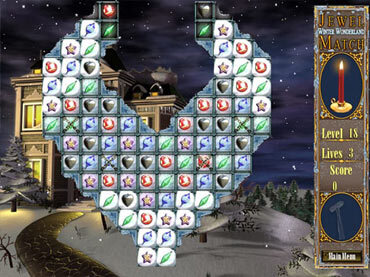
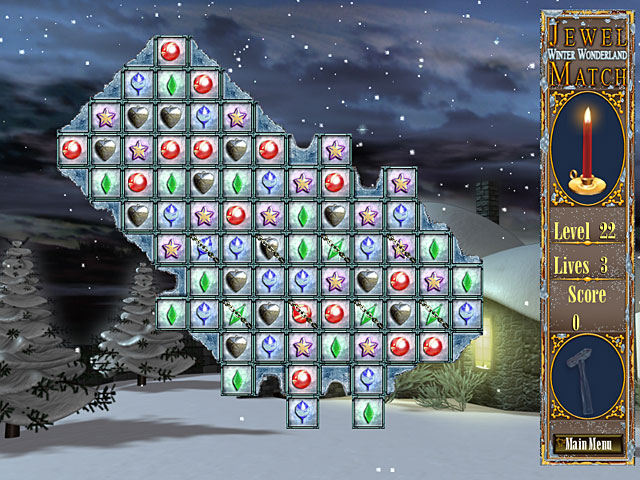
  • The game has a holiday/winter theme — snowy backgrounds, ice boxes, and a cozy “winter wonderland / festive” atmosphere with matching holiday-style jewels. (GameTop.com)

🧩 Gameplay Mechanics & Features

  • The core gameplay is match-3: you swap adjacent jewels to line up three or more identical gems, which then disappear. (MobyGames)
  • Many tiles are frozen under ice, and part of the challenge is to clear the ice by matching jewels on or around those ice-covered tiles. Only after clearing the ice can you complete the level. (MobyGames)
  • Some special mechanics: making bigger matches (e.g. 4 or 5 jewels) can produce special jewel-types — e.g. an “ice-crystal” (wild-type) or a “snowball” that can clear larger parts of the board in one move. (MobyGames)
  • The game has 150 levels. (IPlay)
  • There are two main game modes: a regular mode and a “relaxed” (more casual) mode — so you can choose to play more leisurely or with challenge. (IPlay)
  • Background ambience: the game features a calm/holiday soundtrack and winter-themed visuals that aim to give a cozy, festive vibe. (GameTop.com)

✅ What Makes It Appealing

  • Cozy, festive atmosphere — the winter / holiday visuals, ice-tiles, soft music give a pleasant, “relaxing winter night by the fireplace” mood, which can be soothing and nice for casual play.
  • Easy to pick up — match-3 mechanics are familiar and intuitive, making the game accessible even for casual or new players.
  • Good variety & replayable — 150 levels + special tiles (ice crystals, snowballs) + ice-breaking mechanics add variety beyond simple matching.
  • Flexible play style — thanks to the relaxed mode, you don’t need to rush or stress; good for someone who wants a calm, chill game instead of high-pressure puzzles.

⚠️ What to Know / What It’s Not

  • It remains fundamentally a casual puzzle game — there is no deep story, RPG elements, or heavy strategy: it’s jewel-matching + ice-clearing + board clearing.
  • Later levels may become trickier (with more ice, locked tiles or fewer moves), which can make some levels more challenging — but also possibly dependent on luck (tile drops).
  • If you prefer games with strong narratives, character development, or long-term progression systems — this game may feel simple or limited.

🎮 What Playing It Feels Like

Playing Jewel Match: Winter Wonderland is like curling up in a snowy cabin with a warm drink and working on a comfy, gently challenging puzzle: you click, swap, match — ice crystals break, snow sparkles — and you slowly chip away at frozen tiles until the board clears. The winter setting gives each level a little extra charm, making it more than “just a gem-matching game.” It’s ideal when you want a low-pressure, relaxing game session — especially in a cozy or quiet mood.


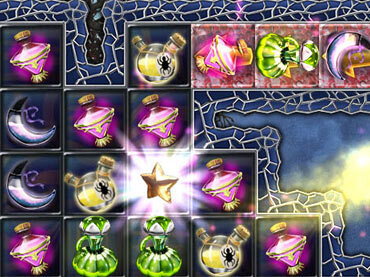
Jewel Match Twilight 2
Image
Image
Image

Here’s a detailed description of Jewel Match Twilight 2 — what it is, how it plays, and what stands out about it.


🎯 What is Jewel Match Twilight 2

  • Jewel Match Twilight 2 is a match-3 puzzle adventure for PC. (Steam Store)
  • It’s developed by Suricate Software and published by Grey Alien Games. (Steam Store)
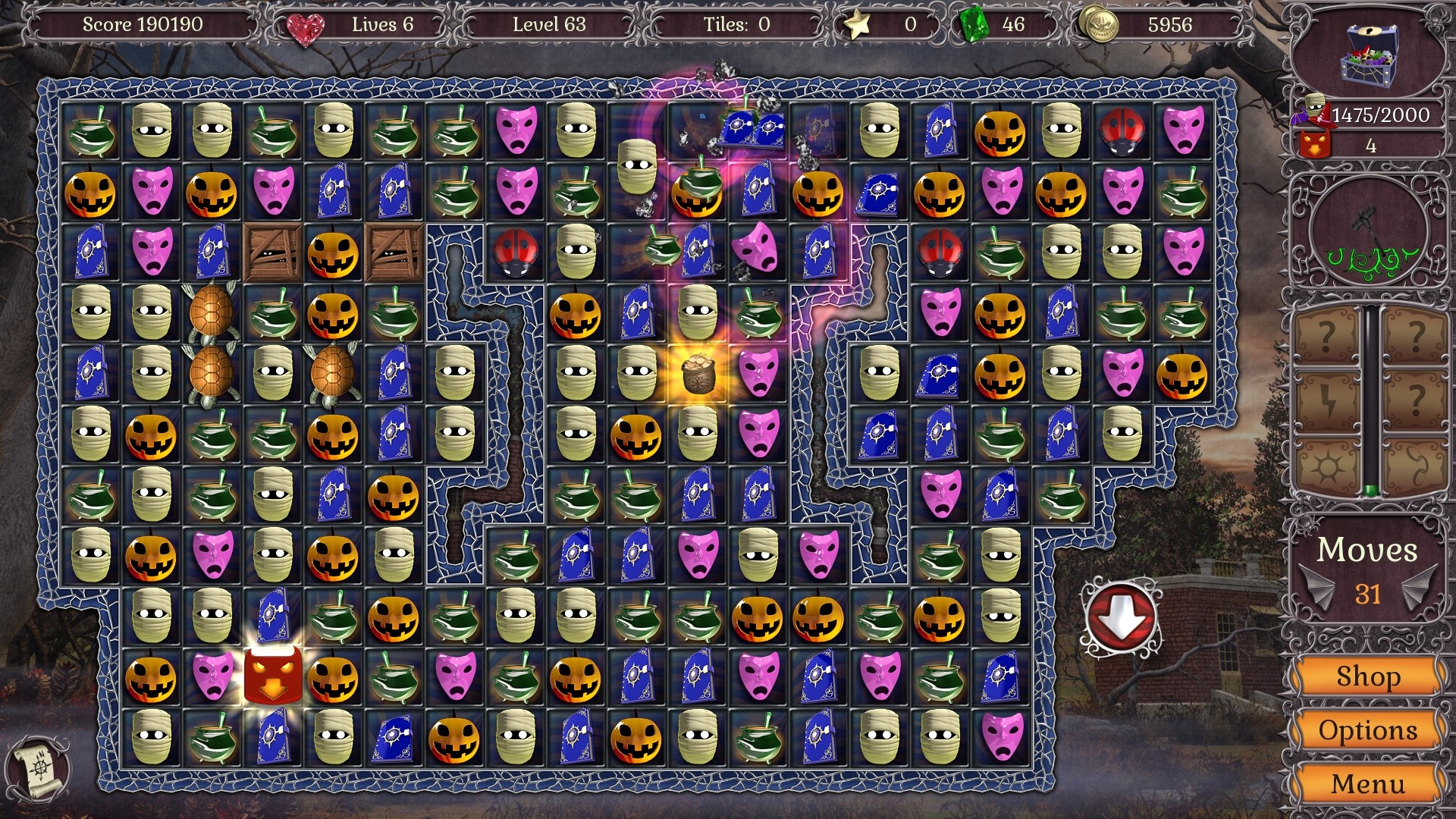
  • The game embraces a dark / spooky / horror-fantasy theme: the kingdom has been ravaged by a scourge, strongholds destroyed, and the land is haunted. As a player, you’re sent on a mission to explore, restore (or at least journey through) haunted castles and crypts, pushing back the evil. (GameHouse.com)

🧩 Gameplay & Mechanics

  • Match-3 core gameplay: you match gems/jewels on a board to clear them, as in classic match-3 style. (GameTop.com)
  • The game offers 90 main levels, plus 50+ bonus puzzle and “crystal” levels — so there’s substantial content. (Steam Store)
  • You get different play-modes to suit your style: “timed”, “relaxed” (no pressure), or “move-limited”. (GameHouse.com)
  • Beyond standard boards, the game introduces extra mechanics to mix things up: special elements like lava vials, conveyor belts, ghost balloons, etc., which affect how you plan and execute matches. (WildTangent)
  • There are also mini-games that unlock via “puzzle and crystal” levels: hidden-object scenes and jigsaw puzzles for extra variety, rewards (coins), and decoration/upgrade options. (Steam Store)
  • As you play you can purchase upgrades and power-ups from a shop — these help you deal with tougher boards or special obstacles. (GameTop.com)
  • There are optional “secret crypts” — hidden areas/levels with bonus loot and extra challenge/reward if you explore carefully. (GameHouse.com)

🌑 Theme, Atmosphere & What Makes It Special

  • The “twilight / haunted-kingdom” theme: rather than a bright, cheerful gem-matching world, the visuals and vibes in Jewel Match Twilight 2 lean dark, eerie, and spooky — haunted castles, crypts, creepy decorations. (GameHouse.com)
  • The combination of match-3 core + mini-games + upgrades + optional hidden crypts gives more variety and depth than a “plain” match-3. This helps prevent the gameplay from feeling too repetitive.
  • The flexibility in modes (timed / relaxed / move-limited) makes it accessible for both casual, laid-back play and more challenge-oriented sessions.
  • The bonus content — puzzle levels, hidden-object, jigsaw puzzles, decorations — adds a “spooky adventure + puzzle collection” dimension rather than endless uniform boards.

✅ Pros — What It Does Well

  • Great for casual puzzle fans: easy to pick up, forgiving in relaxed mode, but with enough mechanics and variety to stay interesting.
  • The dark/spooky atmosphere and theme make it stand out among typical gem-match games — if you like “slightly creepy / haunted / gothic” settings, it gives good vibe and mood.
  • Variety of content: 90+ main levels + many bonus levels + mini-games + optional crypts — offers decent longevity.
  • Replayability via multiple modes and unlockable power-ups/ upgrades — gives options for different playstyles.
  • Mix of gameplay types (match-3 + hidden-object + jigsaw + upgrades) — more than a straight match-3, giving small breaks in the core loop and more rewards for variety.

⚠️ Cons / What to Keep in Mind

  • It’s still fundamentally a casual match-3 puzzle — if you expect deep story, RPG-style character progression, or action/adventure complexity, those are not present.
  • Like many match-3 games, some levels (especially later ones) may depend somewhat on luck (tile drop pattern, power-ups) — so progress may sometimes feel random rather than skill-only.
  • If you dislike horror / spook-themed aesthetics (ghosts, crypts, dark castles), the vibe might not appeal.
  • Hidden features (secret crypts, bonus levels) may require extra effort to unlock — so if you just want a quick casual game, you might not explore everything.

🎮 What Playing It Feels Like

Playing Jewel Match Twilight 2 feels like wandering through a haunted kingdom while matching gems — every board is an opportunity to “push back the darkness.” There’s a mix of satisfaction from clearing boards, the occasional challenge when special mechanics or obstacles appear, and a small sense of progression when you unlock upgrades, mini-games, or secret crypts. It’s a cozy (if spooky) mix of puzzle, light adventure, and casual chill — good for relaxed evening gaming or short sessions when you want a low-pressure but atmospheric experience.


Tibet Quest Match 3
Image
Image
Image

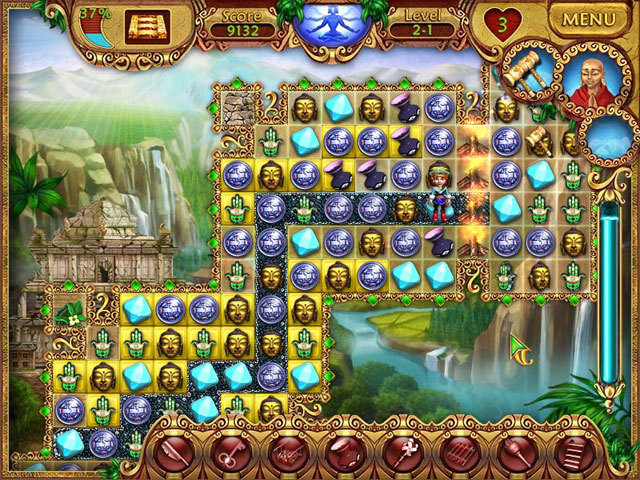
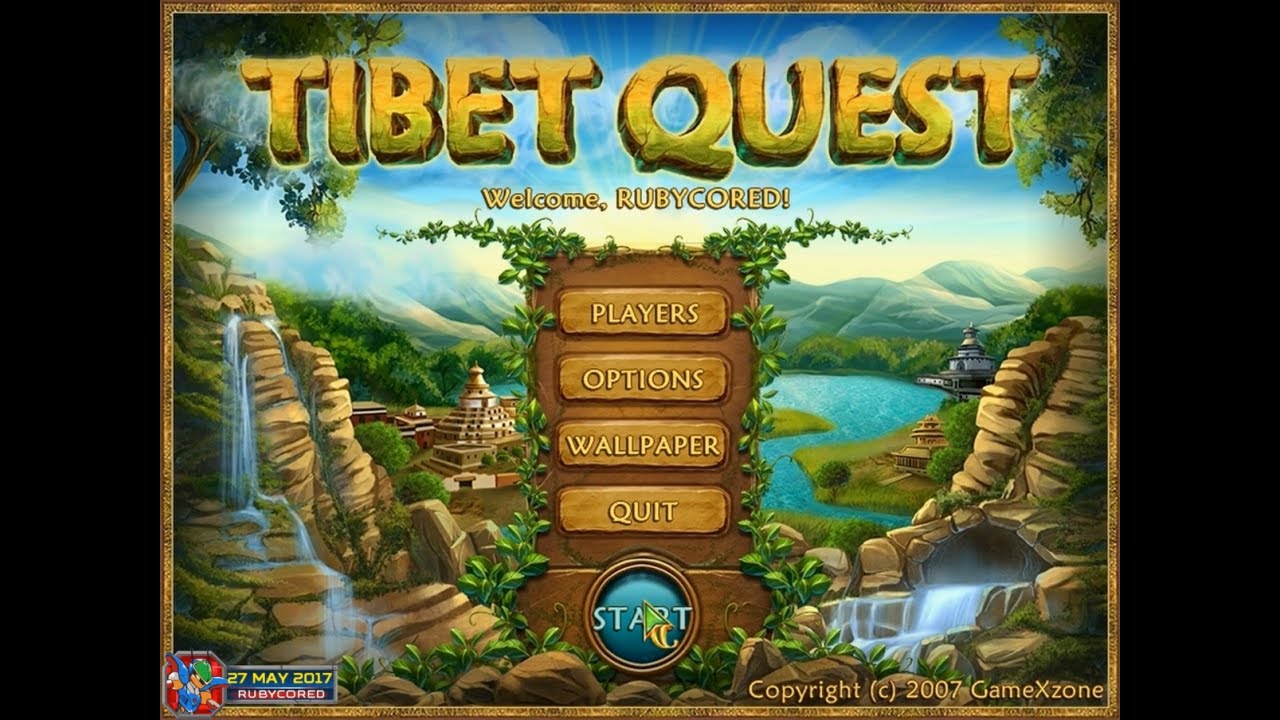
Here’s a description of Tibet Quest (Match 3 Puzzle Adventure) — what it is, how it plays, and what its story + mechanics are like.


🎯 What Is Tibet Quest

  • Tibet Quest is a match-3 + puzzle adventure game for desktop (Windows — older OS versions, and there are versions for macOS) that combines tile-matching with a simple storyline and exploration theme. (WildTangent)
  • The game was originally released around 2009. (WildTangent)

📖 Story & Setting

  • You play as a character named Jane whose father — a scientist/explorer — disappeared while searching for the legendary city of Shangri La in Tibet. (WildTangent)
  • Jane inherits her father’s travel journal (and a necklace that turns out to be a “key”), plus a fragment of a map — and sets off on a journey through the mountains of Tibet to follow his tracks, solve the mystery, and (possibly) find Shangri La. (IPlay)
  • As the journey unfolds, you pass through ancient ruins, treacherous mountain paths, and mysterious landscapes, searching clues and building tools to progress deeper — the “adventure” framing gives match-3 puzzles a purpose beyond just clearing boards. (Masque)

🧩 Gameplay Mechanics

  • The core gameplay is classic match-3 tile/puzzle: you align three or more identical items (gems, symbols, tiles) to clear them. (MobyGames)
  • As you match tiles, you collect useful items — for instance tools, keys, machetes, or even hot-air-balloon parts — which allow you to overcome obstacles, unlock new paths, or travel further. (MobyGames)
  • Completing a level advances the story: clearing a board may give you resources, pieces of the balloon or map fragments, or other items needed for progression. (MobyGames)
  • The game features a progressive “map” or “quest path”: as you succeed through puzzles and gather required items, new areas in Tibet become accessible — keeping the sense of exploration alive. (GameTop.com)
  • According to some versions, there are around 65 puzzle levels (in the original release) for you to play through the full journey. (WildTangent)

✅ What’s Good / Appealing

  • Puzzle + adventure mix — the tile-matching mechanics get a sense of purpose thanks to the storyline: you’re not just matching for points, you’re helping Jane find her father and discover secrets.
  • Easy to pick up — simple controls (swap/match) and straightforward mechanics make it accessible to casual and occasional gamers.
  • Lightweight / modest requirements — since it’s a simpler 2D/puzzle game from 2009, it can run even on older or less powerful PCs.
  • Sense of progression and exploration — building tools (like a hot-air balloon), unlocking new areas, and gradually pushing deeper into Tibet gives a feeling of journey and discovery rather than standalone levels.

⚠️ What to Expect / What It’s Not

  • The storyline is fairly simple and — while giving context — is not deeply complex or “RPG-level”: it supports the puzzles but doesn’t offer a deep narrative.
  • As with many match-3 puzzle games: after a while, gameplay can become repetitive if you’re mainly doing tile matching. The “tool-collection / unlocks” help, but it remains fairly casual.
  • Because the game is older, graphics and polish reflect older standards — don’t expect modern HD visuals or advanced effects.

🎮 What Playing It Feels Like

Playing Tibet Quest is like a relaxed, exploratory treasure hunt: you steadily solve match-3 puzzles, gather bits of balloon, keys, or tools, then unlock the next mountain trail in Tibet. Every board feels like a step forward — not just another level — giving you a sense of purpose and progress. If you enjoy puzzle games and don’t mind a simple story with modest visuals, it’s a pleasant and chill way to spend some time.


Jewel Match 2
Image
Image
Image

Here’s a breakdown of Jewel Match 2 — what the game is, how it plays, and what stands out if you try it.


🎯 What is Jewel Match 2

  • Jewel Match 2 is a match-3 / tile-matching puzzle game for PC (and older Macs). (MacGameStore)
  • It’s developed by Suricate Software. (MobyGames)
  • The game aims to blend casual, easy-to-learn gameplay with some extra flavor — like building castles and using spells/power-ups — rather than being “just another match-3.” (GameHouse.com)

🧩 Gameplay Mechanics & Features

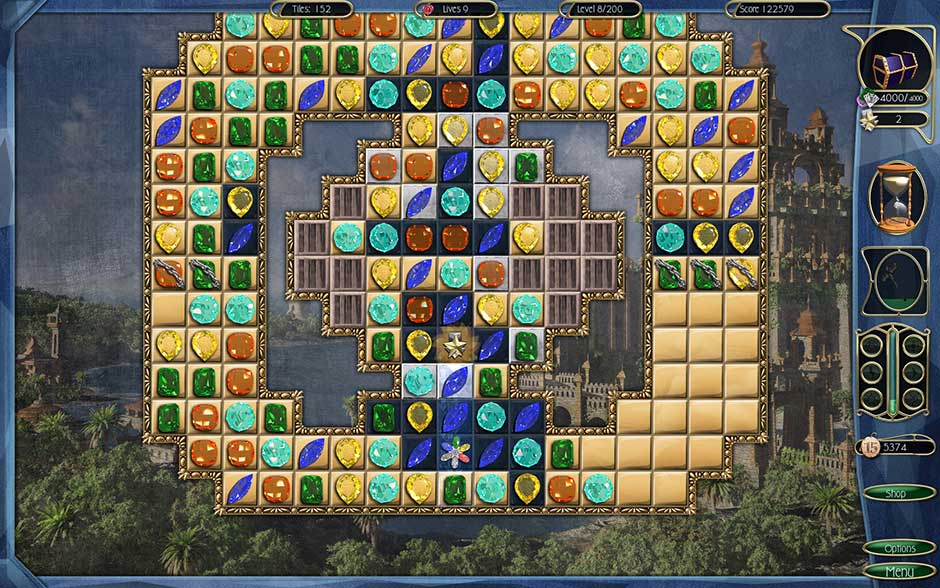
  • Match-3 core: You swap adjacent jewels to make a line (or column) of 3 or more identical gems. That clears those gems from the board. (MobyGames)
  • Level structure: There are 150 levels total. (GameHouse.com)
  • Obstacles & challenges: As you advance, you’ll encounter chained tiles (gems locked by chains), “silver/gold plates” that need matching to transform or unlock, and other blocking tiles — all adding complexity beyond basic match-3. (MobyGames)
  • Goals per level: In many levels, the objective is to clear all “gold tiles/tiles beneath them” and then — in some variants — drop a special medallion or gem to the bottom to finish the level. (MobyGames)
  • Power-ups & spells: You can collect coins (from matches) to buy spells or use power-ups like hammers, bombs, or “fire/lighting spells” that can, e.g., clear a large area, break chains, or destroy many tiles — useful for tricky boards. (MacGameStore)
  • Castle-building “meta” progression: As you clear levels and gather gems/coins, you can “build” or “unlock” castles in fantasy/fairytale settings — a decorative reward and a little sense of progression beyond the puzzles. (GameHouse.com)
  • Two play modes: Regular (timed or standard mode) and a “Relaxed” mode for casual play without time pressure. (GameHouse.com)

✅ What Makes It Appealing

  • Easy to pick up and play — The mechanics are simple: swap-to-match gems, clear tiles, use power-ups. Good for casual players or short sessions.
  • Variety & challenge — With obstacles, locked tiles, chained gems, and other complications, the game becomes more interesting than “just match-gems over and over.”
  • Power-ups & strategic options — Buying spells or using hammers/bombs gives players tools to solve tougher levels, adding an extra layer beyond pure luck or reflex.
  • Progression beyond levels — Building castles gives a small sense of accomplishment and visual reward, which can be more satisfying than just “clearing boards.”
  • Relaxed vs regular modes — Lets you adjust the pace: choose casual/relaxed if you just want to chill, or go for a challenge if you want more pressure/fun.

⚠️ What It’s Not / Limitations to Know

  • The “story” or “flavor” (castles, gems, magic) is light — it’s mostly a puzzle game. Don’t expect deep narrative or evolving characters.
  • As with many match-3 games: at some point the gameplay can feel repetitive — a few similar boards in a row, or heavy reliance on power-ups to win harder levels.
  • On higher levels, difficulty can spike, and sometimes success depends on both strategy and luck (tile drops, power-up availability).
  • If you’re looking for modern graphics or highly dynamic gameplay — it’s more old-school casual puzzle style (though that’s part of its charm for many).

🎮 What Playing It Feels Like

Playing Jewel Match 2 is like a light, casual escape: you figure out a good match, gems pop — maybe trigger a combo — and you slowly chip away at the board. Every few levels, you unlock something: a spell, a castle upgrade, maybe a power-up. It feels rewarding in a low-stress, comforting way — ideal when you want to unwind rather than grind. The added challenge from obstacles and locked tiles gives occasional bursts of “puzzle-thinking” that mix nicely with the relaxing pace.


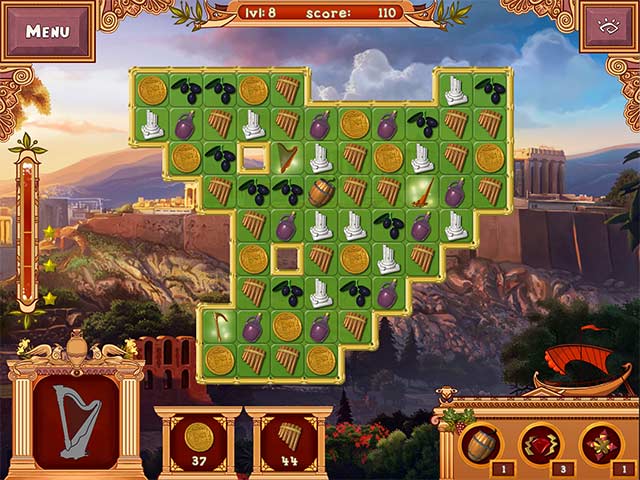
Trip to Greece Travel Riddles
Image
Image
Image

Here’s a breakdown of Travel Riddles: Trip To Greece — what it is, how it plays, and what makes it stand out (and what to expect).


🎯 What is Travel Riddles: Trip To Greece

  • Travel Riddles: Trip To Greece is a casual match-3 puzzle game for PC (and there are versions for mobile/other platforms too). (GameTop.com)
  • The game is developed by Notus Games Ltd. (Steam Store)
  • The premise: you “travel” through Greece — visiting famous locales and historical-style sites (real or stylized) — while solving puzzles and collecting artifacts along the way. (GameTop.com)

🧩 Gameplay Mechanics & Structure

  • The core gameplay is match-3: you swap tiles or icons to match three or more identical items, clearing them from the board. (GameTop.com)
  • There are more than 200 levels in total and 8 themed “episodes”, each taking you through different parts of Greece as you progress. (Steam Store)
  • As you complete levels, you collect artifacts — the game offers up to 96 unique artifacts (ranging from ancient-style relics to “modern” items) to unlock/display. (Steam Store)
  • The levels gradually increase in difficulty: early ones are simpler, later ones introduce more challenge, new board layouts, or obstacles. (GameTop.com)
  • There are power-ups / boosters to help when a level gets tricky (e.g. clearing many tiles at once or overcoming obstacles). (GameTop.com)

🌍 Theme, Setting & What Makes It Special

  • The “travel through Greece” theme adds a sense of exploration: you “visit” places like Athens, Delphi, Meteora, Santorini (or at least stylized versions of them) as you progress. (Steam Store)
  • As you complete levels and collect artifacts, the game also gives you little tidbits or glimpses of history, culture, or “Greek-atmosphere” — a light educational + decorative flavor beyond the puzzles. (MacGameStore)
  • The visuals, music/backgrounds, and overall presentation try to evoke a relaxing “vacation & history tour” vibe — making the game more than just “match-some tiles.” (MacGameStore)

✅ What Works / What It’s Good For

  • It’s easy to pick up and play — match-3 mechanics are familiar and intuitive, so anyone (even casual players) can jump in without a steep learning curve.
  • Good for relaxed gaming sessions — light, casual, doesn’t demand intense concentration or reflexes. Great for winding down or playing in short bursts.
  • Long gameplay — with 200+ levels and many artifacts to collect, there’s good longevity for a casual puzzle game.
  • Themed & varied — the travel/Greek theme gives an extra layer of motivation and enjoyment beyond basic matching: the sense of “progress” and “discovery.”
  • Power-ups & increasing challenge — while starting easy, it gradually gets more interesting — so there’s variety and a sense of progression.

⚠️ What to Keep in Mind / What It’s Not

  • It’s fundamentally a casual puzzle game — so don’t expect deep story, heavy adventure mechanics, RPG elements, or complex strategy. The “travel + artifacts” framing is mostly aesthetic/contextual.
  • As with many match-3 games: once you get through many levels, some puzzles may start to feel repetitive — especially if you don’t care about collecting artifacts or story bits.
  • If you prefer fast-paced action or games with deep narrative, this may feel too “gentle” or “light.”

🎮 What Playing It Feels Like

Playing Travel Riddles: Trip To Greece feels like a laid-back digital vacation + puzzle journey: you’re switching tiles to match, clearing levels, and every few levels you “unlock” a new place in Greece, discover a new artifact, or move forward in your “tour.” It has a calming rhythm, a pleasant vibe, and a sense of incremental progress that can be satisfying, especially if you enjoy puzzles with low stress and moderate challenge.


Mythic Pearls Bubble Shooter
Image
Image
Image

Here’s a description of Mythic Pearls Bubble Shooter — what it is, how it plays, and what defines it.


🎯 What is Mythic Pearls Bubble Shooter

  • Mythic Pearls Bubble Shooter is a bubble-shooter / match-three-style puzzle game for PC (Windows). (GameTop.com)
  • The game is set in a magical / fantasy world called Tirnanog — in which pearls hold mystical power, and the player’s journey involves “taming” these pearls by matching them. (GameTop.com)
  • The game is distributed in a small downloadable package (~ 30 MB) and is presented as a relatively light, accessible puzzle-game. (GameTop.com)

🧩 Gameplay Mechanics

  • The core gameplay is classic bubble-shooter / tile matching: you aim and shoot pearls to make matches of three or more of the same color. This clears them from the board. (GameTop.com)
  • The game includes power-ups / special pearls: matching certain pearls triggers special effects — like bombs, wildcards, or color-matching power, depending on the type of pearl. (MobyGames)
  • Levels are organized as a single-player campaign with a branching map: as you succeed in levels, you unlock new regions/routes in Tirnanog — giving a sense of progress and exploration rather than a flat list of levels. (GameTop.com)
  • Strategy plays a role: because of the power-ups and the structure of the pearls, you sometimes need to plan your shots carefully (angles, which pearls to prioritize) — especially in higher difficulty or more complex levels. (GameTop.com)

🌟 What Makes It Appealing

  • Simple to play, yet engaging: The basic bubble-shooter mechanics are intuitive: easy to learn, quick to start playing. Good for casual or light puzzle-game fans.
  • Fantasy / Magical atmosphere: The setting in Tirnanog, with mystical pearls and magical power-ups, gives a bit more flavor than a bare-bones bubble shooter. This adds more thematic immersion.
  • Power-ups and variety: The inclusion of special pearls / effects adds tactical variety beyond “just match color,” which helps prevent the gameplay from feeling too repetitive.
  • Accessible & light requirements: Given the small size and simple mechanics, the game runs on modest PCs — making it suitable for older or less powerful machines, or casual play sessions.

⚠️ What to Know / What It’s Not

  • It’s fundamentally a puzzle / casual game: you shouldn’t expect deep RPG elements, complex story, or heavy strategy — the “story” is light and mainly serves as a backdrop for the matching mechanics.
  • As with many bubble shooters: at higher levels, success can depend on both skill and luck — placement and sequence of pearls can be as important as aim/skill.
  • If you dislike “match-3 / bubble-shooter” mechanics or games with repetitive levels, you might find it less appealing — it’s not a narrative-heavy or strongly “adventure” oriented game.

🎮 What Playing It Feels Like

Playing Mythic Pearls Bubble Shooter feels like a casual magical challenge: you aim, shoot, and match pearls, occasionally triggering satisfying explosions, chaining combos, or using power-ups — all while traveling across a map of mystical lands. It’s relaxing and easygoing for the most part, but with enough variation (power-ups, level design, strategic shot placement) to keep it engaging when you want a bit more of a puzzle-challenge.


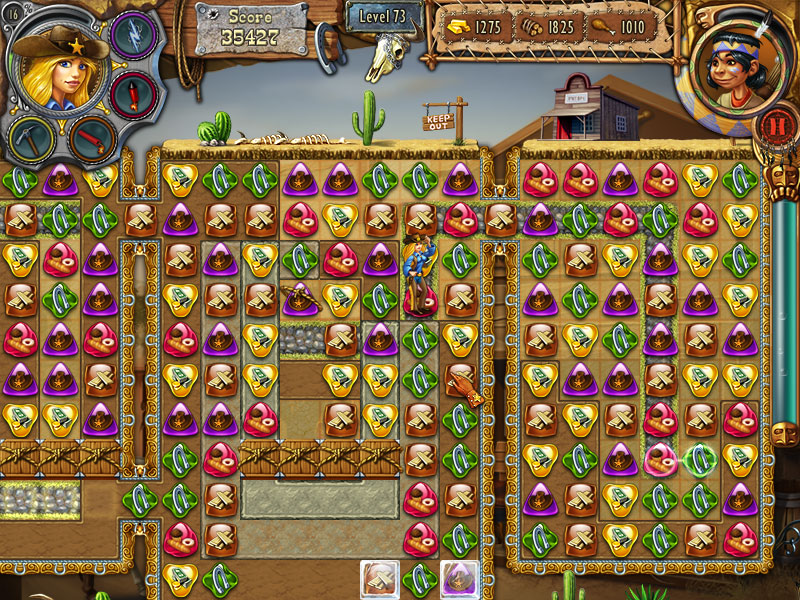
Wild West Story Match 3
Image
Image
Image

Here’s a breakdown of Wild West Story: The Beginnings (often referred to “Wild West Story Match 3”) — what the game is, how it plays, and what stands out.


🎯 What is it — Overview

  • Wild West Story: The Beginnings is a casual puzzle game mixing match-3 mechanics with hidden-object / rebuild-the-town elements. (WinGameStore)
  • The game was developed by Seppia Interactive and released for Windows. (MobyGames)
  • In the game, you join characters Bella and Coyote Cub, who discover an abandoned mining-town and set out to rebuild it. (GameTop.com)

🧩 Gameplay Mechanics & Features

  • The core: match-3 puzzles. Players match tiles/icons (three or more identical) to gather resources: gold, wood, food, etc. These resources are used to rebuild the town. (GameTop.com)
  • There are about 100 match-3 levels in total. (WinGameStore)
  • Alongside the matching levels, there are ~20 hidden-object / bonus scenes — these give extra tools, boosts, or resources to aid in rebuilding the town. (GameHouse.com)
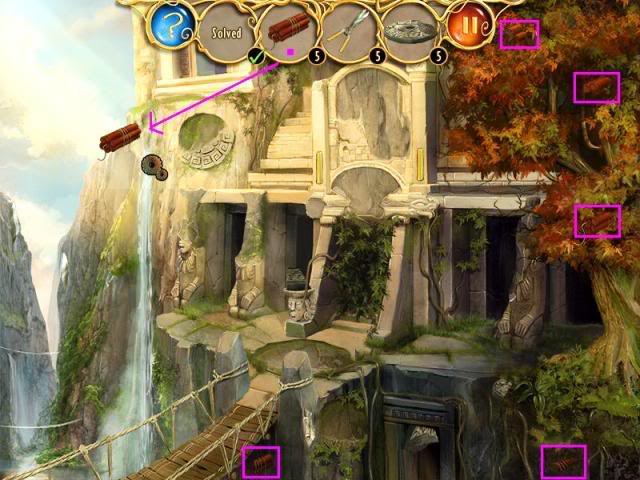
  • Power-ups and tools are part of gameplay — for example, dynamite, pickaxes or similar boosters help clear difficult boards or mine resources more effectively. (GameTop.com)
  • After gathering enough resources, you use them to repair buildings, restore the settlement, and attract settlers — effectively progressing a “town-building / restoration” storyline as you play. (MobyGames)

🏙️ Story & Setting / Motivation

  • The premise: Bella and Coyote Cub stumble upon a deserted, run-down mining town / ghost town in the Wild West. (GameHouse.com)
  • The goal: Use match-3 skills and hidden-object scenes to mine gold and gather resources, then rebuild the town — houses, shops, infrastructure — and bring settlers Back. (Shockwave.com)
  • The game has a “Western frontier / cowboy / mining town” vibe — so you get a bit of that old-west aesthetic and theme, which frames the puzzles and tasks in a stylized, story-driven way. (MobyGames)

✅ What Works / Strengths

  • Mix of puzzle + story + town-rebuilding — compared to a plain match-3, the “rebuild the town” motivation gives more purpose to matching.
  • Variety — the alternation between match-3 levels and hidden-object / bonus scenes, plus use of power-ups, keeps the gameplay from being repetitive.
  • Accessible & casual — simple controls (mouse), modest system requirements, and a forgiving difficulty curve make it good for casual players who like light gaming sessions. (Shockwave.com)
  • Atmosphere & Theme — the Wild West setting, mining-town premise, and character-driven storyline add a bit of charm and immersion beyond standard puzzles.

⚠️ What to Keep in Mind / What It’s Not

  • It isn’t a deep strategy or role-playing game — the “town building” is fairly light and mostly cosmetic/resource-based, not a full-blown simulation.
  • For players who dislike match-3 mechanics or hidden-object games, it may feel repetitive or too casual.
  • The storyline and town-rebuilding aspects are relatively simple; the game focuses more on puzzle and resource-gathering than on complex narrative or simulation depth.

🎮 What It Feels Like to Play

Playing Wild West Story: The Beginnings feels a bit like a relaxed treasure-hunt + frontier town renovation: you match tiles to dig for gold or gather resources, then step back to see your town slowly come alive again. The mix of puzzle levels, bonus hidden-object scenes, and town restoration gives a sense of steady progress — not just beating boards, but rebuilding a settlement and giving it life. For someone who likes casual puzzle games with a bit of flavor and visible progress, this game hits a nice balance.


The Lost Inca Prophecy
Image
Image
Image

Here’s a description of The Lost Inca Prophecy — what it is, how it plays, and what makes it distinctive.


🎯 Overview

  • The Lost Inca Prophecy is a casual puzzle-adventure game for PC (Windows). (GameTop.com)
  • The game was developed by Seppia Interactive. (Metacritic)
  • It blends match-3 puzzle mechanics with hidden-object / bonus puzzle / adventure-style segments — giving it a hybrid feel of puzzle + light adventure. (Gamezebo)

📖 Story & Setting

  • You play as a character named Acua, who begins having vivid dreams about a “New World.” She wakes up to find she has drawn a mysterious map — a place she’s never visited before. (GameTop.com)
  • Motivated by those dreams, Acua travels to the New World alongside a companion named Juan de Salcedo (in some versions) to find and restore ancient Inca temples, and to prevent a terrible prophecy from dooming the Incan civilization. (Jay is Games)
  • Along the way, you’ll uncover relics, decode an “Inca prophecy,” and rebuild sacred temples — all wrapped in a mysterious, somewhat mythic atmosphere. (GameTop.com)

🧩 Gameplay Mechanics

  • Match-3 puzzles are the core gameplay: you match tiles (swap, group, or chain) to clear the board, break tiles, and reveal hidden pieces. (The Gamesmen)
  • You have multiple play styles / modes — you can choose how to match: Swap, Group, or Chain. (GameHouse.com)
  • The board shape can vary (square, hexagon, or mixed boards) depending on your preference — giving some flexibility and replay value. (The Gamesmen)
  • As you succeed in match-3 puzzles, you collect pieces of “objects” — when you gather enough, you trigger hidden-object / bonus puzzle scenes (so it’s not just pure matching all the way). (Jay is Games)
  • The full game includes a substantial amount of content: roughly ~200 levels (or close, depending on the distribution between match-3 boards and hidden-object scenes) across multiple chapters. (The Gamesmen)

✅ What Makes It Appealing

  • The mix of gameplay types — match-3 + hidden-object + light adventure — makes it more varied than a standard “just match gems” game.
  • Giving a player choice in how to play (swap / group / chain; square / hex / mixed boards) — good for casual players or those wanting different challenge styles.
  • The narrative framing (dreams, prophecy, saving the Inca, restoring temples) gives more meaning to the puzzles — it adds a sense of journey, exploration, and purpose beyond just clearing boards.
  • Because it’s a casual-style game with modest system needs, it’s suitable for many PCs (even older ones) and for players who want a relaxed, low-pressure gaming session.

⚠️ What to Know / When It Might Not Click

  • Despite the “adventure / prophecy / Inca lore” framing — the narrative is relatively light. Some critics felt the story was forgettable, and the writing had flaws (some inaccuracies, spelling/grammar issues). (Gamezebo)
  • The challenge curve is mild: once basic mechanics are learned, later puzzles don’t ramp up dramatically — and because there’s no timer or possibility of “failing,” the game can feel more like a relaxed, leisurely experience rather than a strategic or high-stakes challenge. (Gamezebo)
  • If you’re looking for deep adventure, heavy story, RPG mechanics or deep strategy — this game may feel simplistic. It remains fundamentally a “casual puzzle + light adventure” game.

🎮 Experience: What It Feels Like

Playing The Lost Inca Prophecy tends to feel like a gentle, atmospheric treasure hunt — you hop from one puzzle board to another, uncovering fragments of ancient Inca culture, rebuilding temples, and slowly unraveling a prophecy. The mix of matching and hidden-object puzzles breaks monotony and keeps the flow varied. The visuals and ambient storytelling give a sense of mystery and exploration, but without heavy pressure or complex demands.
If you enjoy casual puzzle games that combine a light narrative with flexible gameplay — this title fits nicely. If you expect deep adventure or challenge, you may find it somewhat shallow.


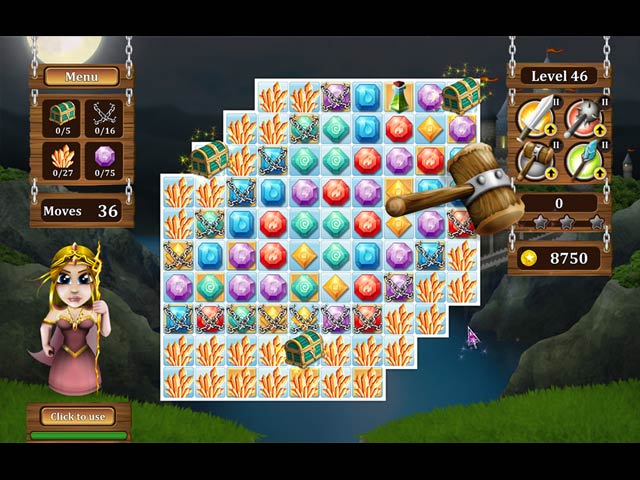
Age of Heroes The Beginning
Image
Image
Image

Here’s a description of Age of Heroes: The Beginning — what it is, how it plays, and what defines it.


🎯 Overview

  • Age of Heroes: The Beginning is a match-3 / puzzle-casual game (with some light adventure / fantasy flavor). (Steam Store)
  • It was developed and published by Green Sauce Games. (Steam Store)
  • The game is available on Windows, macOS, Linux, and there are also references to mobile versions. (Steambase)
📖 Story & Setting

  • The central premise: an evil sorcerer has escaped from prison. His escape unleashes darkness, fear, and chaos across the land. (Steam Store)
  • Your mission as a player: gather a band of heroes, help villagers who lost their homes, restore hope, and ultimately confront the villain to save the land. (GameTop.com)

It’s a classic “good vs evil / dark vs light” fantasy backdrop — simple, straightforward, and aimed at giving purpose to the match-3 mechanics. (Green Sauce Games)


🧩 Gameplay Mechanics

  • The core gameplay is match-3 puzzles: you match tiles/icons to clear boards and progress through levels. (Steam Store)
  • There are 100 levels to progress through. (Steam Store)
  • You can unlock up to 5 unique heroes, each presumably having special skills or abilities that influence gameplay. (Steam Store)
  • The game offers powerups that you can craft or use — useful for overcoming challenging levels or obstacles. (GameTop.com)
  • There are resources to collect, and quests/objectives beyond simply matching tiles — helping villagers, rebuilding homes, etc. (MobyGames)
  • There seems to be at least two play modes: a “relaxed” (casual) mode and a more “challenge” mode — giving flexibility depending on how you want to play. (MacGameStore)

✅ What Makes It Appealing

  • Casual but with variety: As a match-3 game, it’s easy to pick up and play — but thanks to heroes, power-ups, quests, and some “adventure / fantasy” flavor, it’s more interesting than a plain tile-matching game.
  • Relatively light system requirements: Because it’s a 2D / casual style game, it can be run on modest PCs or older machines. (Steam Store)
  • Fantasy setting + narrative motivation: The story (evil sorcerer, broken land, rescuing villagers) gives a purpose beyond “just match tiles.” Helps make progress feel meaningful.
  • Replayable and accessible: With 100 levels and multiple heroes + power-ups, there’s a good amount of content to explore — and the learning curve stays gentle.

⚠️ What to Expect / What Might Not Suit Everyone

  • The story and narrative are rather “simple fantasy tropes” — not especially deep or original. (GameCompanies.com)
  • As with many casual/match-3 games — if you want deep RPG/strategy elements, customization or intricate mechanics, you might find it limited. The “heroes + power-ups” give some depth, but it stays fundamentally a casual puzzle-game.
  • For players who dislike “puzzle + fantasy veneer,” the “hero/quest/evil-sorcerer” framing might feel a bit thin.

Lost Inca Prophecy 2
Image
Image
Image

Here’s a description of Lost Inca Prophecy 2 (also titled The Hollow Island) — what it is, how it plays, and what makes it distinctive.


🎯 Overview

  • Lost Inca Prophecy 2 is a casual puzzle / adventure game for PC (Windows). (GameTop.com)
  • It combines match-3 mechanics (swap/chain gems or icons) with mini-games and sometimes hidden-object / puzzle elements. (I Love Free Software)
  • The game is designed to suit both relaxed play and more challenge-oriented play — multiple difficulty/mode options. (GameTop.com)

📚 Story & Setting

  • In the game’s narrative, a worldwide catastrophe looms: volcanoes erupt, earthquakes shake the earth, natural disasters threaten global destruction. (GameHouse.com)
  • You follow the heroine (sometimes named Seraphine; some versions mention a character called Acua) who has a mysterious connection to these events. She’s propelled into a quest to unravel an ancient prophecy that foretells doom — and to stop it before it’s too late. (WildTangent)
  • The journey leads to a place called the Hollow Island, where hidden secrets, relics, and clues are waiting. As the player, you must piece together these clues and solve puzzles to prevent disaster. (GameTop.com)

🧩 Gameplay Mechanics

  • Match-3 puzzles: The core gameplay — swap or chain icons/gems to match 3 or more and clear the board. (I Love Free Software)
  • Mini-games / Hidden-object / Puzzle segments: Interspersed with match-3 levels are additional challenges like hidden-object scenes or jigsaw puzzles. (GameHouse.com)
  • Level variety: The game reportedly includes around 80+ match-3 levels and 20+ mini-games in total. (GameHouse.com)
  • Two game modes: Players can choose a “relaxed” mode or a more “driven / challenging” mode — depending on how they want to experience the adventure. (GameTop.com)

✅ What Makes It Appealing

  • Blend of puzzle types — not just match-3 but mini-games and hidden-object/puzzle elements make the experience more diverse and less repetitive than a standard match-3.
  • Relaxed–friendly but also accessible for challenge lovers — the option to switch between easy/relaxed or harder/more goal-oriented modes means the game is suitable for casual and more committed players alike.
  • Story-driven — rather than pure “puzzle after puzzle,” there’s a narrative backbone: ancient prophecy, natural disasters, mystery, and world-saving stakes — giving an extra layer of motivation beyond just beating high scores.
  • Light on resources — small download size, modest system requirements, and simple mouse-based controls make it easy to run even on less-powerful PCs. (GameTop.com)

🔎 Experience: What It Feels Like

Playing Lost Inca Prophecy 2 feels like a casual but engaging treasure hunt:– you go from level to level solving quick puzzles, but there’s a constant sense of urgency and mystery because of the looming prophecy and global stakes. The mix of match-3 action with hidden-object/puzzle segments breaks monotony and adds variety. The graphics and overall presentation are generally cheerful and colorful, which — paired with the lighter gameplay — gives a relaxing but moderately immersive experience.


Image
Image

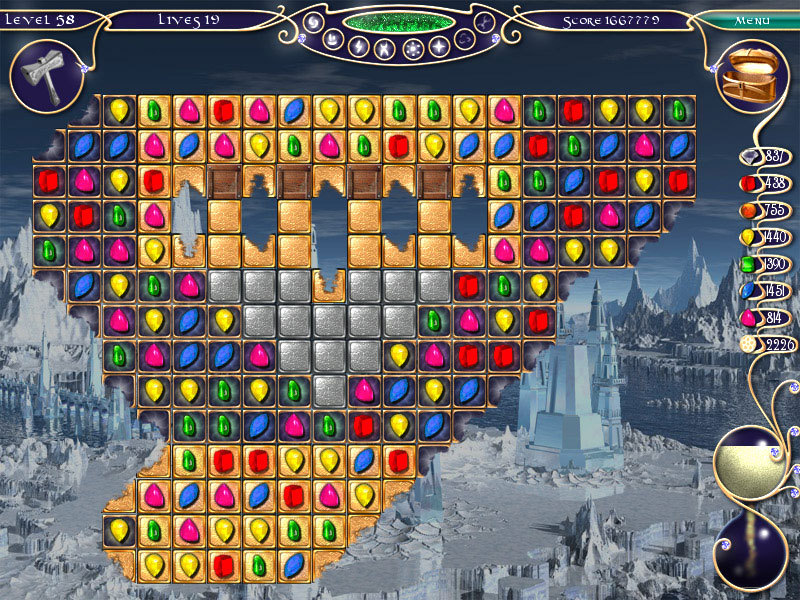
Here’s a description of Jewel Match: Winter Wonderland — what kind of game it is, how it plays, and what makes it stand out.


🎯 What is Jewel Match: Winter Wonderland

  • Jewel Match: Winter Wonderland is a match-3 / tile-matching puzzle game for PC (Windows). (MobyGames)
  • It is developed by Suricate Software. (MobyGames)
  • The game has a holiday/winter theme — snowy backgrounds, ice boxes, and a cozy “winter wonderland / festive” atmosphere with matching holiday-style jewels. (GameTop.com)

🧩 Gameplay Mechanics & Features

  • The core gameplay is match-3: you swap adjacent jewels to line up three or more identical gems, which then disappear. (MobyGames)
  • Many tiles are frozen under ice, and part of the challenge is to clear the ice by matching jewels on or around those ice-covered tiles. Only after clearing the ice can you complete the level. (MobyGames)
  • Some special mechanics: making bigger matches (e.g. 4 or 5 jewels) can produce special jewel-types — e.g. an “ice-crystal” (wild-type) or a “snowball” that can clear larger parts of the board in one move. (MobyGames)
  • The game has 150 levels. (IPlay)
  • There are two main game modes: a regular mode and a “relaxed” (more casual) mode — so you can choose to play more leisurely or with challenge. (IPlay)
  • Background ambience: the game features a calm/holiday soundtrack and winter-themed visuals that aim to give a cozy, festive vibe. (GameTop.com)

✅ What Makes It Appealing

  • Cozy, festive atmosphere — the winter / holiday visuals, ice-tiles, soft music give a pleasant, “relaxing winter night by the fireplace” mood, which can be soothing and nice for casual play.
  • Easy to pick up — match-3 mechanics are familiar and intuitive, making the game accessible even for casual or new players.
  • Good variety & replayable — 150 levels + special tiles (ice crystals, snowballs) + ice-breaking mechanics add variety beyond simple matching.
  • Flexible play style — thanks to the relaxed mode, you don’t need to rush or stress; good for someone who wants a calm, chill game instead of high-pressure puzzles.

⚠️ What to Know / What It’s Not

  • It remains fundamentally a casual puzzle game — there is no deep story, RPG elements, or heavy strategy: it’s jewel-matching + ice-clearing + board clearing.
  • Later levels may become trickier (with more ice, locked tiles or fewer moves), which can make some levels more challenging — but also possibly dependent on luck (tile drops).
  • If you prefer games with strong narratives, character development, or long-term progression systems — this game may feel simple or limited.

🎮 What Playing It Feels Like

Playing Jewel Match: Winter Wonderland is like curling up in a snowy cabin with a warm drink and working on a comfy, gently challenging puzzle: you click, swap, match — ice crystals break, snow sparkles — and you slowly chip away at frozen tiles until the board clears. The winter setting gives each level a little extra charm, making it more than “just a gem-matching game.” It’s ideal when you want a low-pressure, relaxing game session — especially in a cozy or quiet mood.


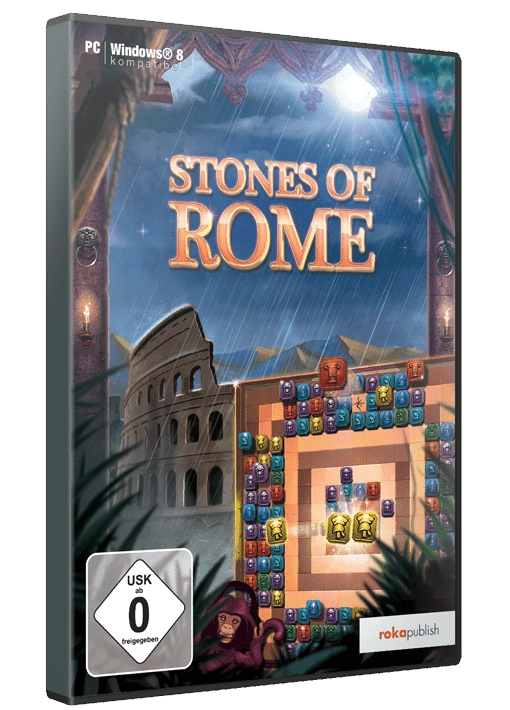
Stones of Rome
Image
Image
Image

Here’s a breakdown of Stones of Rome — what it is, how it plays, and what to expect if you try it.

🎮 What is Stones of Rome

  • Stones of Rome is a match‑3 puzzle game set around a small “escape/adventure through ruins and catacombs under Rome + aboveground ruins” story. (Steam Store)
  • The story premise: A character named James wanders away from his tour group while exploring Rome’s catacombs, gets lost, and — to make things worse — a mischievous monkey tears up his map. (IPlay)
  • The goal: you need to recover all 30 pieces of the map by solving match‑3 puzzles in the underground levels, then — after resurfacing — solve another set of puzzles among the ruins aboveground to find and reunite with the tour group. (IPlay)

🧩 Gameplay & Mechanics

  • The core gameplay is classic match‑3 tile‑matching: swap adjacent “stones/tiles” to make lines of three or more of the same type to “clear” them. (GameTop.com)
  • Each level is designed to be solvable — the game promises that “every board has a solution.” (GameTop.com)
  • The game includes 60 levels total: 30 underground (catacombs) + 30 in the aboveground ruins. (IPlay)
  • As you clear levels you “reassemble” the map (piece by piece), and progress through the story from catacombs → surface ruins. (Steam Store)
  • The visuals & atmosphere are geared toward archaeology / ruins / ancient‑Rome vibes: the environments change from dark catacombs to crumbling ruins aboveground. (IPlay)

✅ Strengths & What to Expect / ⚠️ Limitations

What works / Strengths:

  • Simple and easy-to-learn — good if you like classic puzzle games without complicated mechanics.
  • Short, bite-sized levels — you can play at your own pace, even in short sessions.
  • Mix of story + puzzle: the quest to restore the map and escape gives a bit more “purpose” than a barebones match‑3 game.
  • Lightweight requirements — should run fine even on modest/old PCs. According to system specs: minimal RAM, simple graphics needed. (Steam Store)

Possible Limitations:

  • Being fundamentally a match‑3 game, mechanics are fairly simple — if you dislike repetitive puzzles, the fun may fade after many levels.
  • Story is fairly light and linear — the “adventure” is mostly a framing device for levels rather than deep exploration or complex narrative.
  • According to some sources — the overall polish and “big game” depth are modest (game marketed as casual/puzzle‑casual rather than AAA adventure). (metacritic.com)

🎯 Who It’s Good For

You might enjoy Stones of Rome if you:

  • Enjoy match‑3 / casual puzzle games rather than action or heavy simulation.
  • Want a relaxed, low‑stress game — something to play in short bursts rather than deep sessions.
  • Like mild adventure / exploration flavor (catacombs, ruins, lost map) as background to puzzles.
  • Use a PC with modest specs, or prefer games that don’t demand much hardware.

Since you like PC games and you’ve previously shown interest in casual/puzzle‑style titles — I think Stones of Rome could suit you as a casual, relaxed break from heavier games.

Pizza Chef 2
Image
Image
Image

Here’s a description of Pizza Chef 2 — what it’s about, how it plays, and what to expect if you try it.

🍕 What is Pizza Chef 2

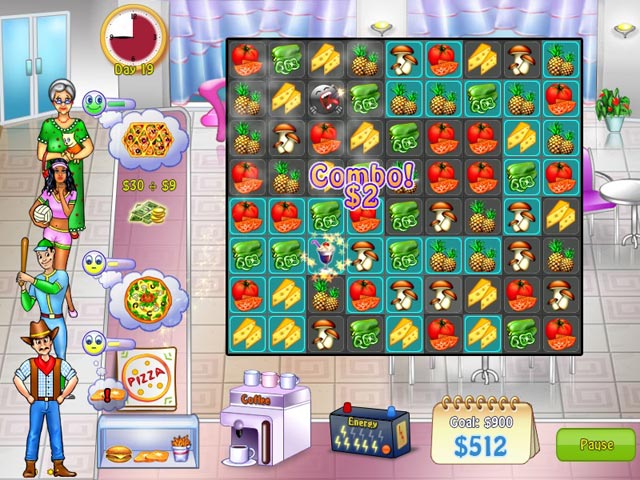
  • Pizza Chef 2 is a match‑3 + time‑management / restaurant simulation game. (GameTop.com)
  • The premise: you take the role of a chef — originally the protagonist is named Chris, left to run a pizzeria when her uncle disappears. (GameHouse.com)
  • Your goal: manage the restaurant, prepare dishes, serve customers, and build up your pizza business — from a small pizzeria to a bigger restaurant/chain. (bdstudiogames.com)

🎯 Gameplay & Mechanics

  • The core gameplay uses match‑3 puzzles: you match ingredient tiles (or similar) to cook meals. (Debbie Winkler)
  • Once you match enough ingredients, you fulfill customers’ orders — pizzas, sandwiches, burgers, etc. So it mixes puzzle‑matching with time‑management and serving mechanics. (GameHouse.com)
  • There are about 70 levels in the game. (GameHouse.com)
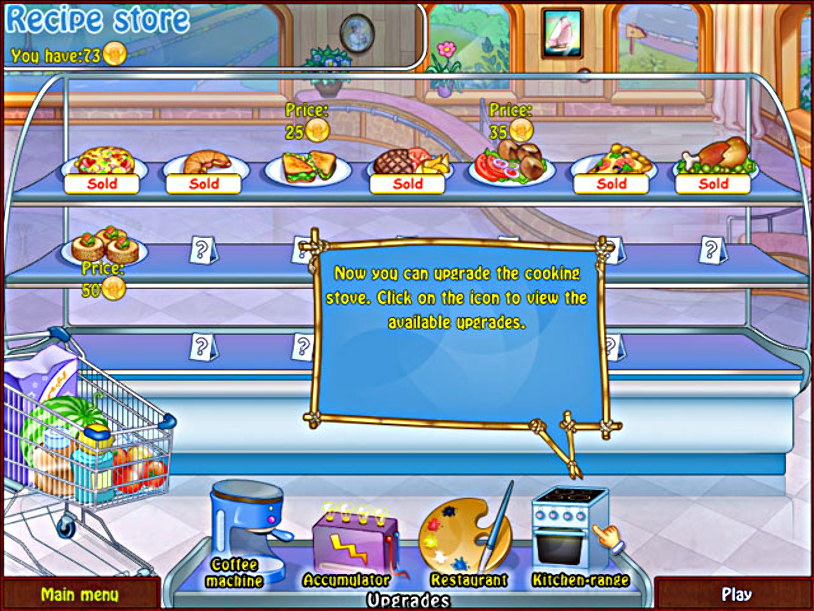
  • As you progress you can earn coins, upgrade your eatery, unlock new recipes and improve equipment or restaurant layout — helping you serve more customers and grow your business. (Debbie Winkler)
  • The game sometimes includes mini‑games or bonus modes (like hidden‑object searches) to add variety beyond match‑3 + cooking. (GameHouse.com)

✅ What Works & ⚠️ What to Know

What works / Strengths:

  • The mix of puzzle + cooking/restaurant management gives more depth than a “pure” match‑3 — you don’t just clear tiles, you feel like you run a restaurant.
  • It’s fairly casual and accessible: simple controls, fun gameplay, and doesn’t require hardcore gaming skills.
  • Offers progression and variety: upgrades, new recipes, more complex orders — which keeps things interesting over many levels rather than becoming repetitive immediately.

Possible limitations / What to know:

  • Because it blends puzzles with time‑management, it might require some speed and attention — if you move too slowly, customers can get unhappy (typical for cooking/serving games). (Debbie Winkler)
  • As a relatively older and simpler game, it won’t offer deep simulation or super realistic restaurant-management — don’t expect the complexity of heavy tycoon or business‑sim games.
  • The fun may depend a bit on whether you enjoy match‑3 puzzle mechanics + casual “serve customers” gameplay — if you dislike either, the hybrid style might not appeal as much.

🎯 Who It’s Good For

Pizza Chef 2 is a good fit if you:

  • Like casual match‑3 or puzzle games but also enjoy a bit of theme / purpose beyond just tile‑matching.
  • Want a lighter, fun, easy-to-pick-up game — something you can play in short sessions, without needing big hardware or a long time commitment.
  • Enjoy restaurant / cooking / simulation + puzzle hybrids — games that combine logic/puzzles with time-management and “serving orders” mechanics.
  • Prefer relaxed but somewhat engaging gameplay — not too simple, but also not deeply complex or simulation‑heavy.

Since you like PC games and have looked at a few casual / puzzle‑type titles already, I think Pizza Chef 2 could be a good fit if you want a fun, easygoing cooking/puzzle game — a nice break between heavier titles.

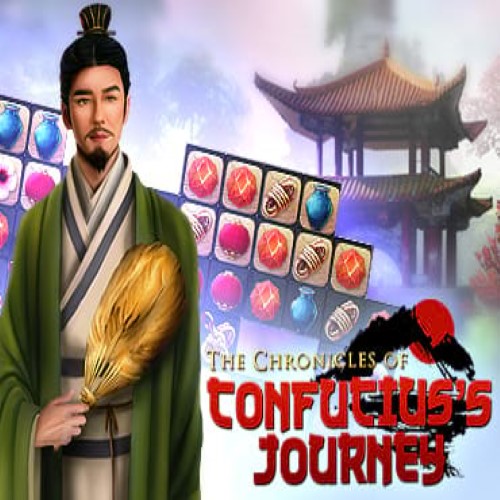
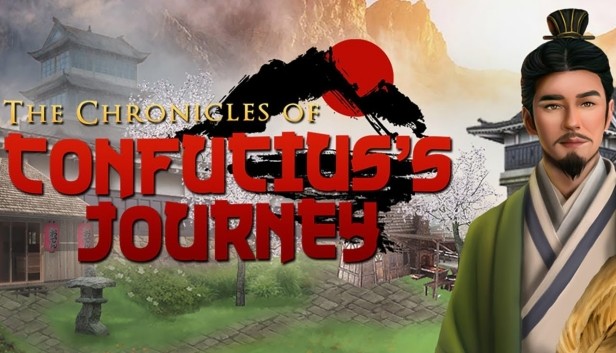
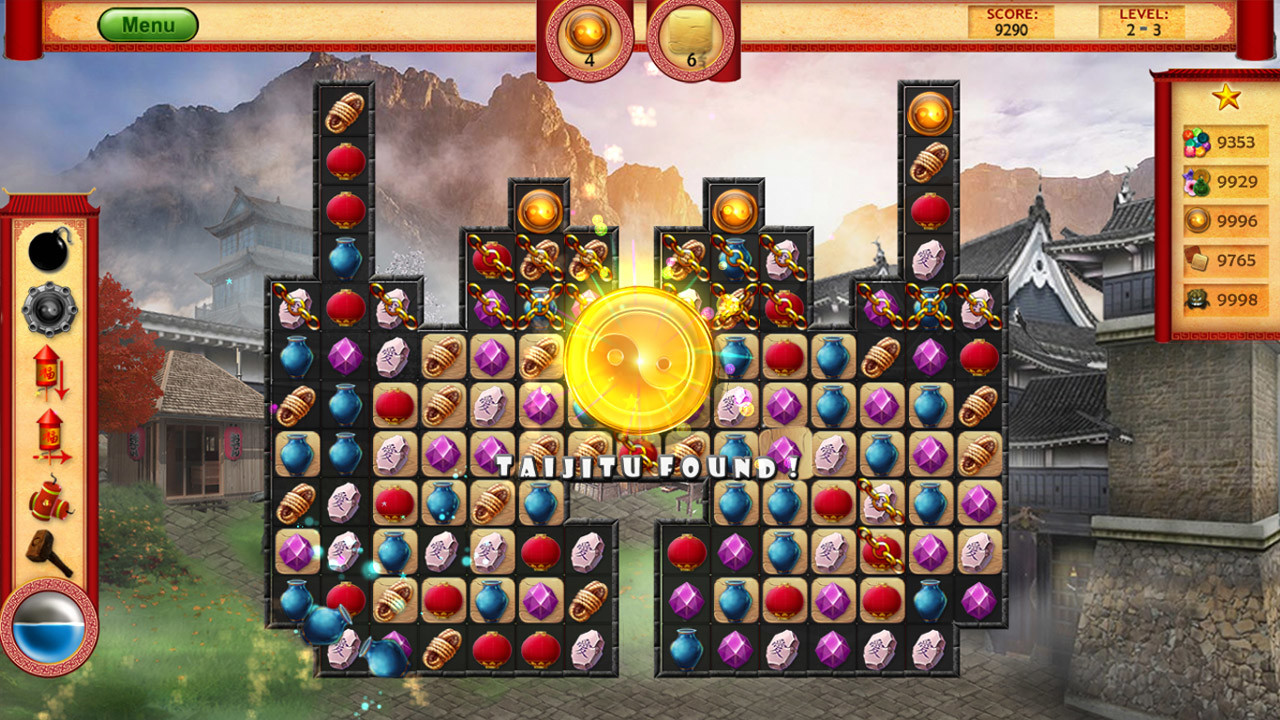
The Chronicles of Confucius’ Journey
Image
Image
Image

Here’s an overview of The Chronicles of Confucius’s Journey — what it is, how it plays, and what to expect if you try it.

🎮 What is The Chronicles of Confucius’s Journey

  • The Chronicles of Confucius’s Journey is a match‑3 puzzle game that frames the life and travels of Confucius. (Steam Store)
  • Rather than focusing on action or deep simulation, the game mixes casual puzzle gameplay with a narrative / historical pretext: as Confucius you “travel,” learn about the world, meet people, and—through each stage—progress through episodes of his life. (WildTangent)
  • The structure: the game is divided into 5 chapters, comprises about 74 match‑3 levels, and covers 20 major “steps” (milestones) in Confucius’s journey. (GameTop.com)
  • As you progress, the game also presents over 90 quotes attributed to Confucius, giving a flavor of his philosophy, wisdom and life lessons. (Steam Store)

🧩 Gameplay & Mechanics

  • At its core, the gameplay is tile‑matching (match‑3): you swap tiles to match 3 (or more) identical items, clear them, and meet the level’s objective. (GameTop.com)
  • Completing levels advances the story: successful matches unlock new chapters/steps, which reveal more of Confucius’s journey and present new quotes and narrative segments. (gamefools.com)
  • The game is meant to be simple and accessible: it doesn’t demand high reflexes or complex mechanics — ideal for casual play and for players who enjoy relaxing puzzle games. (PCGameBenchmark)
  • System requirements are minimal (even quite old PCs can run it): low RAM/graphics needs, modest storage — so it’s easy to play even on less powerful machines. (Steam Store)

🌍 Theme, Story & Atmosphere

  • The game attempts to offer a light historical / philosophical journey: following Confucius as he leaves a messy political environment to travel, learn about life, meet people, and spread wisdom. (Steam Store)
  • Through the journey, you “experience” parts of ancient China (fictionally reinterpreted) — each chapter corresponds to different locations or phases of Confucius’s travels. (GameTop.com)
  • The inclusion of actual (or pseudo‑historical) quotes from Confucius gives a flavor of reflection and philosophy, rather than pure “puzzle for the sake of puzzle.” This gives the game a slightly more meaningful tone than many casual match‑3 titles. (GameHouse.com)

✅ Strengths & What to Expect — and What Might Feel Limited

Strengths

  • Simple, easy-to-learn gameplay good for casual sessions or as a “light break.”
  • Story + history + philosophy angle — nice if you appreciate a bit more meaning than “just matching tiles.”
  • Minimal hardware requirements — accessible even on older/weak PCs.
  • Short to mid‑length commitment: 74 levels + 5 chapters — enough to get a satisfying playthrough without a huge time investment.

Possible Limitations

  • Because it’s a match‑3 game, core gameplay remains basic — if you dislike repetitive puzzle‑matching, it might feel shallow.
  • The “story + history” framing is relatively light/simple — don’t expect deep historical simulation or major narrative complexity.
  • According to user data, the game seems to have limited reviews / small player base on store pages — which may mean modest polish or limited depth compared to major games. (Steam Store)

🎯 Who It’s Good For

The Chronicles of Confucius’s Journey is a good fit if you:

  • Enjoy casual puzzle / match‑3 games rather than heavy action or complex RPGs.
  • Like games with a light story or philosophical / historical flavor — something more thoughtful than pure arcade‑style puzzles.
  • Want a relaxed gaming experience — suitable for short sessions, downtime, or as a break between heavier games.
  • Use a PC with modest hardware specs (since the game doesn’t require much power).

Since you already like PC and casual/puzzle‑style games (from what you told me), I think The Chronicles of Confucius’s Journey could be an interesting change: simple, easygoing, but with a bit of thought and narrative behind it.

The Far Kingdoms
Image
Image
Image

Here’s a description of The Far Kingdoms — what the “Far Kingdoms” games are about (it’s actually a small series) and what to expect if you play.


🎮 What is “The Far Kingdoms”

  • The Far Kingdoms isn’t just one single game; it’s a series of casual PC games by developer/publisher Lazy Turtle Games / HH‑Games. (GameTop.com)
  • Across the series you’ll find different sub‑games: some are match‑3 + hidden‑object adventures, some are mosaic (nonogram/picross‑style) puzzle games, and some are hidden‑object / adventure / mystery puzzle games. (GameTop.com)
  • The general setting: a fantasy/fairy‑tale kingdom (or several kingdoms) under threat — curses, dark witches or dark magicians — and you (often as a princess or hero) must solve puzzles, find hidden objects or use magic to save the kingdom. (iWin)

🧩 Gameplay & Mechanics: What You Do

Depending on which Far Kingdoms title you play, gameplay can differ:

  • Match‑3 + Hidden Object + Magic Spells — In the base The Far Kingdoms (and titles like The Far Kingdoms: Elements), you play gem/ tile‑matching puzzles (match‑3), and also explore scenes to find objects (hidden‑object segments). The gems/objects you collect help power your “Royal Amulet” to cast spells that lift curses or unlock new areas. (GameTop.com)
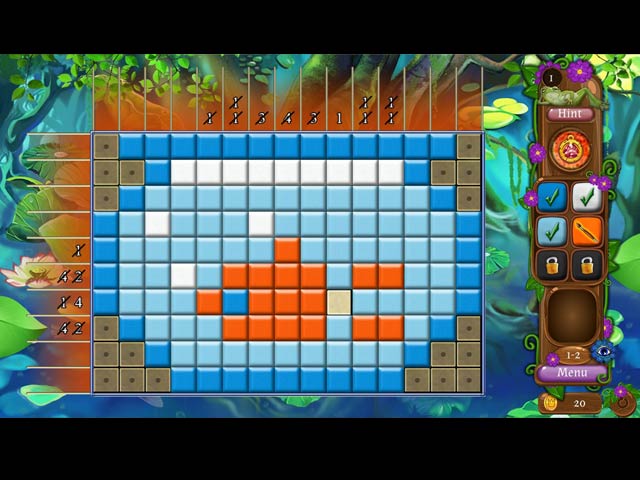
  • Mosaic / Nonogram puzzles — Other entries like The Far Kingdoms: Magic Mosaics or The Far Kingdoms: Garden Mosaics use logic‑puzzle mechanics: you fill in grids based on numeric clues (picross/nonogram style) to reveal pictures. Solving those puzzles often yields “magic elements” or coins used to progress in the story or decorate/place objects. (GameTop.com)
  • Adventure & Hidden‑Object — Some parts focus more on exploration: finding hidden items in scenes, gathering clues, exploring the storyline, unraveling mysteries — sometimes with fantasy or magical themes. (GameTop.com)

So the series mixes casual puzzles (match‑3 or mosaic) + hidden‑object / adventure elements + fantasy storytelling/spells.


🌟 Theme, Story & Atmosphere

  • Story-wise, many of the games focus on a kingdom in trouble: maybe cursed, maybe under evil magic — usually involving a villain (witch / dark magician) and a hero/heroine (often a princess) working to save the land. (WildTangent)
  • The vibe tends to be fantasy + fairy‑tale + light magic + cozy / casual adventure — not heavy RPG or action. The visuals and puzzles emphasize a pleasant, relaxed experience rather than intense gameplay. (GameTop.com)
  • Because of the mix of puzzle types (match‑3, mosaic, hidden‑object), the experience offers variety — sometimes you’re matching gems, sometimes doing logic puzzles, sometimes exploring scenes — good if you like casual games that don’t feel repetitive.

✅ Who It’s Good For — What Kind of Player Will Like It

You may enjoy The Far Kingdoms if you:

  • Like casual puzzle games rather than heavy action or deep RPG mechanics.
  • Appreciate variety — don’t mind mixing match‑3, logic puzzles, and hidden‑object games all in one series.
  • Want relaxed, low‑stress gaming — good for short sessions, breaks, or chill gaming rather than hardcore challenge.
  • Enjoy fantasy / fairy‑tale / magic-themed stories with light adventure and magic spells.
  • Prefer games that run on modest PC hardware (good for simple/puzzle‑based games).

Rebuild the History
Image
Image
Image

Here’s a detailed description of Rebuild the History — what the game is about, how it plays, and what you can expect.

🌍 What is Rebuild the History

  • Rebuild the History is a match‑3 “puzzle + reconstruction” game: you solve match‑3 boards to gather resources, which you then use to restore famous historical landmarks/buildings. (GameTop.com)
  • The game’s premise: once-great buildings have fallen into ruin after “years of trouble and neglect,” and as the player — you aim to bring those landmarks back to life. (iWin)
  • As you rebuild, the game also gives you historical facts or background about each building — so there’s a light educational or “learning about history while playing” aspect. (GameTop.com)

🧩 Gameplay & Mechanics

  • The core gameplay is classic match‑3: swap tiles to match at least three identical items to clear them. Clearing these tiles earns you resources you need for rebuilding. (GameFAQs)
  • Along with normal match‑3 levels there are “quick challenges” and tasks that you must complete to speed up progress or unlock the next restoration project. (iWin)
  • After you collect enough resources, you “build” or “restore” parts of a landmark — you usually do this by choosing a building project, placing upgrades/parts, and then seeing the building rise step by step as you finish levels. (GameTop.com)
  • The game offers multiple levels (the number commonly cited is ~120 levels) across various historical landmarks. (itch.io)

🏛️ Theme & Atmosphere

  • The “restoration of real (or realistic) historical buildings” gives the game a slightly different tone than many match‑3 games that use candy / jewels / fantasy — it leans more toward a “history / reconstruction / art & architecture” vibe.
  • Visuals and graphics tend to emphasize the buildings and landmarks being restored — the reward for your match‑3 work is tangible in seeing “before vs after” as ruins become restored monuments. (GameTop.com)
  • The combination of puzzles + building + historical context gives a somewhat relaxed but purposeful experience: you’re not just clearing puzzles — you’re working toward rebuilding and “saving history.”

✅ Strengths & ⚠️ What to Know

What works / strengths:

  • The mix of match‑3 + building/restoration gives more depth and long-term progression than a pure puzzle game. It feels more meaningful: you see actual “progress” as landmarks rise.
  • The educational / historical flavor adds interest for players who enjoy history or architecture, making it more than just casual entertainment.
  • Because it’s a match‑3 puzzle game, it’s easy to pick up and doesn’t demand heavy reflexes or advanced skills — good for casual sessions.
  • Reasonable system requirements: as with many match‑3 PC games, it should run fine even on modest hardware. (bdstudiogames.com)

Potential limitations:

  • As many reviews mention (and some players complain), there’s no “relaxed mode” — you might have to meet resource/time goals to rebuild, which can make the game feel rushed rather than leisurely. (doublegames.com)
  • The match‑3 boards don’t always fill the whole screen (at least in some versions), which some players consider a drawback or “cheap” design choice. (doublegames.com)
  • Because at its core it’s still match‑3, if you dislike repetitive puzzle mechanics, you might find it monotonous after many levels.

🎯 Who It’s Best For

Rebuild the History is a good choice if you:

  • Like match‑3 / casual puzzle games, but also want some sense of purpose, progress or building/restoration rather than endless match‑3 levels.
  • Enjoy history, architecture, or restoration themes — you might appreciate the revived landmarks and historical facts.
  • Prefer relaxed or semi-casual games that don’t require a huge time commitment, but still give rewarding progression.
  • Use a PC with modest specs (since it’s not a heavy 3D game), so you don’t need a powerful rig to enjoy it.

Since you like PC games and have tried other match‑3 / puzzle‑restoration titles, I think Rebuild the History could align with your taste — a more “meaningful puzzle game” with light world‑building flavor.

Charma Bubble Shooter
Image
Image
Image

Here’s a breakdown of the computer game Charma Bubble Shooter — what it is, how it plays, and what you should expect if you try it.

🎮 What is Charma Bubble Shooter

  • Charma Bubble Shooter is a bubble‑shooter / “match/clear bubbles” puzzle game developed by Artogon Games. (GameTop.com)
  • The story premise: a dark magician invades the land of “Charma,” causing its inhabitants (called “Charmies,” little fluff‑ball characters) to flee. As the player, you need to help these Charmies escape danger and reach safety — by clearing bubble‑obstacles in your path. (GameTop.com)
  • The game is available for PC (Windows), and its download size is lightweight (around 24 MB), so you don’t need a powerful system to run it. (GameTop.com)

🧩 Gameplay & Mechanics

  • Core gameplay: you shoot colored spheres (“bubbles”) toward a field of bubbles above. You try to match three or more bubbles of the same color to pop them (classic bubble shooter mechanics). (GameTop.com)
  • When you pop bubbles, you “free” or “guide” the Charmies — the popping clears paths and allows those characters to progress along their escape journey. (GameTop.com)
  • The game emphasizes combo‑chains and cascades: well‑placed shots lead to chain reactions (bubbles popping in sequence), which helps clear larger portions and makes for more satisfying progress. (GameTop.com)
  • Levels tend to be short and bite‑sized, so each play session can be quick. Good for casual play or breaks between heavier games. (GameTop.com)

🎨 Style & Atmosphere

  • Visuals lean toward bright, colorful, and cartoonish — the “Charmies” are fluffy/cute characters, and the environments are magical/fantasy‑like. (GameTop.com)
  • The overall vibe is lighthearted and accessible: the game doesn’t try to be a deep RPG or heavy simulation, but rather a relaxed, easy‑to‑pick‑up puzzle method which matches well if you just want casual fun.

✅ What Works & ⚠️ What to Know

What works / strengths:

  • Simple and intuitive mechanics — easy to learn, doesn’t require reading complex instructions.
  • Light on system requirements — runs on modest PCs, good for players whose machines might struggle with big games.
  • Casual‑friendly: nice for short sessions, relaxing gameplay, and easy progress.

Possible limitations:

  • As with many bubble‑shooter games: core mechanics stay simple — if you want deep story, RPG progression, or very complex gameplay, this might feel limited.
  • The “puzzle + rescue Charmies” motive gives a bit more structure than bare bubble shooters — but still might feel repetitive over many plays.
  • Because payoff (freeing Charmies, progressing story) is tied to bubble‑popping, the enjoyment depends heavily on whether you enjoy that kind of match‑shooter gameplay.

🎯 Who It’s Good For

Charma Bubble Shooter is a good fit if you:

  • Like bubble‑shooter / match‑3 / casual puzzle games rather than heavy action or deep RPGs.
  • Prefer short, low‑commitment gaming sessions (e.g. playing for 10–20 minutes at a time).
  • Want a light, colorful fantasy‑style game with some story + character “rescue” flavor rather than just abstract puzzles.
  • Use a PC that isn’t high‑end, but you still want to play casual games without performance issues.

Babylonia Match 3
Image
Image
Image

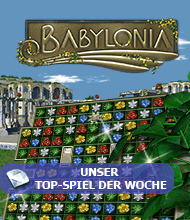
Here’s a summary and description of Babylonia (a Match‑3 / puzzle game) — what it is, how it plays, and what to expect if you try it.

🌸 What is Babylonia

  • Babylonia is a match‑3 puzzle game set in the ancient land of Babylon. (Steam Store)
  • The main premise: you work to restore the famed Hanging Gardens of Babylon — one of the legendary wonders of the ancient world — by reviving gardens and planting blossoms. (Steam Store)
  • The atmosphere: lots of flowers, gardens, and a classical/ancient‑civilization aesthetic rather than fantasy or sci‑fi vibes. (gamefools.com)

🎯 Gameplay & Mechanics

  • As with most “match‑3” games, you swap tiles (in this case — flowers/blossoms) to form rows (or columns) of 3 or more matching items. Matching clears those tiles and gives you resources (like seeds or coins) to invest in the gardens. (MobyGames)
  • Between puzzle‑levels you’re not just matching — you also plant and nurture gardens, rebuild parts of the Hanging Gardens, and tend to blossoms (sometimes watering them or protecting from pests — depending on how the game represents plant care). (MobyGames)
  • The game offers many levels — often advertised as around 150 levels — and multiple game modes (e.g. a “Relaxed” mode vs possibly more time‑pressured or standard levels). (GameHouse.com)
  • Controls are simple and the pace is relaxed: good for casual gaming sessions without pressure. (GameTop.com)

✅ What Works & ⚠️ What to Know

Strengths:

  • The mix of match‑3 puzzles + garden‑restoration / building mechanics gives more depth than a “just match gems” game. You get the satisfaction of real visual progress (gardens growing, restoration advancing).
  • The theme (ancient Babylon + Hanging Gardens) is refreshing and a bit more “serious / historical” than many match‑3 games that go for candy / jewels / fantasy tropes.
  • Accessible & casual — easy to pick up, short levels, not demanding in reflexes or strategy, and low system requirements (so it runs on modest PCs). (Steam Store)

Limitations / What to Know:

  • As a match‑3 game, core mechanics are still simple — for players seeking deep gameplay, RPG‑style depth or action, Babylonia might feel limited.
  • Garden restoration and “care/maintenance” mechanics are relatively light and symbolic: it’s not a full gardening or simulation game. (MobyGames)
  • Because the game is casual and “easygoing,” if you expect challenging puzzles or complex mechanics, you might find it too straightforward.

🎮 Who It’s Good For

Babylonia is a good fit for you if you:

  • Enjoy match‑3 / casual puzzle games but prefer something with a bit more purpose than simple “clear‑tiles.”
  • Like calm, relaxing, low‑pressure gameplay, suited for short sessions or playing during breaks.
  • Appreciate historical / civilization‑themed settings more than candy/fantasy aesthetics.
  • Want a game with visual progression (gardens growing, restoration) without needing a powerful PC.

Since you like PC games and have interest in match‑3 / casual-style games, I think Babylonia could be a nice, relaxed option for you — a break from heavy shooters or deep RPGs.

Farm Life Match 3
Image
Image
Image

Here’s a description of Farm Life Match 3 — what it’s about, how it plays, and what you can expect from it.

🌾 What is Farm Life Match 3

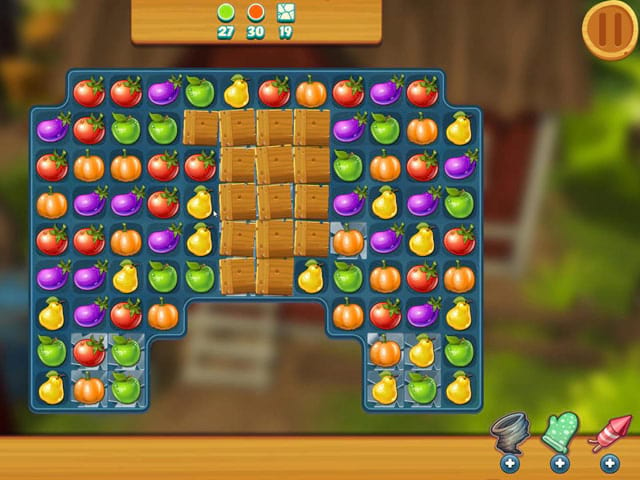
  • Farm Life Match 3 is a “match-3” puzzle + farm-restoration game: you match tiles (like crops or farm-related items) to complete levels, earn resources, and restore an old farm. (GameTop.com)
  • The story centres on Claire Barnes, who inherits her late aunt’s run-down farm, and must bring it back to life to claim the inheritance. (iWin)
  • As Claire, you must repair buildings and fields, restore land, and fend off rival claimants — while friendly characters help you along the way. (GameTop.com)

🧩 Gameplay Mechanics

  • Gameplay is based on classic match-3 puzzle mechanics: you swap tiles to match sets of three or more identical items to clear them. Clearing tiles earns you resources. (GameTop.com)
  • The resources from each level are used to repair buildings, restore fields, and unlock/expand different areas of the farm. (GameTop.com)
  • The objectives per level vary: sometimes you collect crops, sometimes clear obstacles, or complete restoration-related tasks. (GameTop.com)
  • As progress continues, the state of the farm improves — barns get rebuilt, fields revived, and the farm transforms from run-down to flourishing. (GameTop.com)

🎯 Style & Atmosphere

  • Farm Life Match 3 combines cozy/farm-vibe visuals with casual puzzle gameplay — ideal for players who enjoy relaxing, low-pressure gaming rather than intense action. (WildTangent)
  • The narrative element (inheritance story, characters interacting, rivals/selfish claimants, restoring a legacy) adds a simple but engaging plot + motivation beyond just “solve puzzles.” (iWin)
  • The game is accessible: easy to pick up, intuitive controls (match tiles, earn resources, rebuild), and offers a nice pace for casual gaming. (WildTangent)

✅ What Works & ⚠️ What to Know

What works:

  • The combination of match-3 puzzles + farm restoration + light storyline gives more variety and purpose than “just match-3.”
  • It’s casual, relaxing and forgiving — good for short sessions or light play, without demanding reflexes or complex skills.
  • The sense of progress (farm improvement, unlocking areas, rebuilding) gives satisfaction beyond individual levels.

What may feel limited:

  • At its core — it’s still a match-3 puzzle; if you dislike repetitive tile-matching, the game may feel monotonous after a while.
  • The “farm restoration” and “story” are relatively simple — don’t expect deep farming simulation or complex RPG-style farming mechanics.
  • As with many casual “match-3 + rebuild” games: the pace and reward system may feel “light” if you prefer heavy challenges or long-term simulation.

👥 Who It’s Good For

Farm Life Match 3 is a good fit if you:

  • Enjoy casual match-3 puzzle games but like a bit more — some story, some progression, some farm-building flavor.
  • Prefer relaxed, low-pressure gaming rather than intense action or heavy simulation.
  • Like light farming / restoration themes but don’t need full farming-sim complexity — just a nice mix of puzzles + rebuilding + story.
  • Want a game that’s easy to pick up, doesn’t demand much system power, and is good for quick sessions or downtime.

Since you enjoy PC games and variety, I think Farm Life Match 3 could be a nice “casual break” — and a relaxing alternative to more intense titles.

Season Match 2
Image
Image
Image

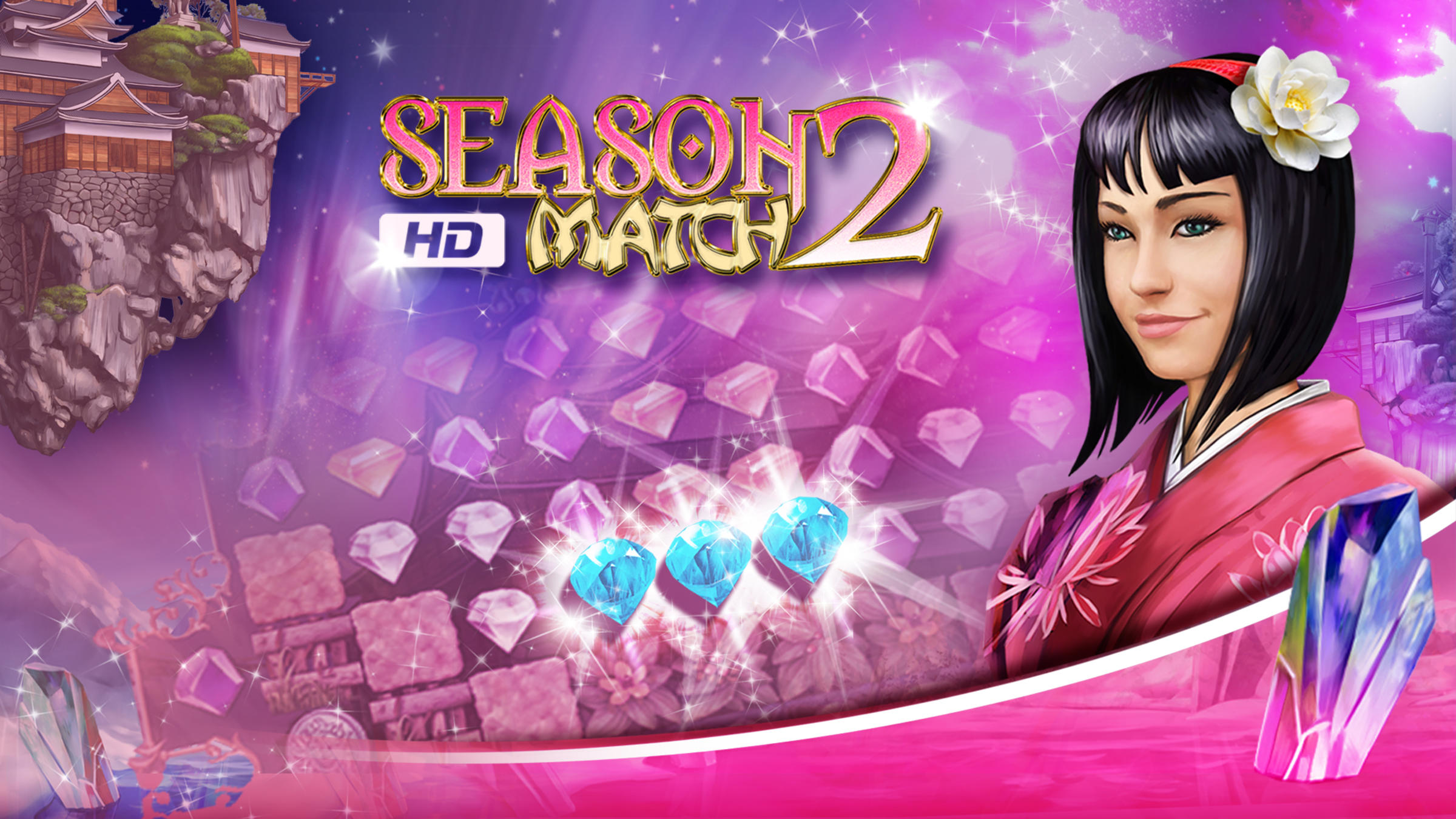
Here’s a summary and description of the game Season Match 2 — what it is, how it plays, and what to expect if you try it.

🎮 What is Season Match 2

  • Season Match 2 is a casual / puzzle / adventure game developed by URSE Games and published by ESDigital Games (on PC/Steam) — later also released on platforms like Nintendo Switch and PS4. (Steambase)
  • The basic premise: the magical “Fairytale Kingdom” has been overtaken by a villainous ruler, Prince January, who has frozen the land — turning castles to ice, trapping inhabitants, and plunging the realm into eternal winter. You must help the forces of good (like the Snow Queen and the Princesses of Seasons) to defeat him and bring the seasons back to balance. (Steam Store)

🧩 Gameplay & Core Mechanics

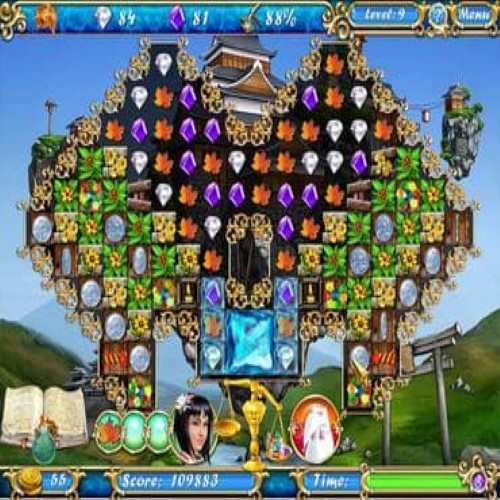
  • At its heart, Season Match 2 is a “match-3” puzzle game: you match 3 or more identical tiles (gems or similar) to clear them and make progress. (kinthdom.co.uk)
  • But it’s more than just matching: between puzzle levels there are also hidden-object scenes and mini-games — giving variety beyond the standard match-3 formula. (Steam Store)
  • You’ll also unlock artifacts / power-ups and bonuses along the way, which can influence how you solve puzzles or progress. (VGTimes)
  • According to its Steam / PC description: there are over 250 missions — so a fairly significant amount of content for a puzzle-casual game. (GameTop.com)

🌟 Atmosphere, Style & Audience

  • The game leans into a fantasy / fairytale aesthetic — magical kingdoms, seasons, magical creatures, and a struggle against ice/winter. (VGTimes)
  • Because of the mix of puzzles + casual gameplay + hidden-object segments, it tends to be accessible and family-friendly, suitable for those who don’t want heavy action or complex RPG mechanics — but enjoy light-hearted casual games. (Steam Store)

✅ Strengths & ⚠️ Criticisms

Strengths:

  • Variety beyond basic match-3 thanks to hidden-object levels + mini-games + artifacts. (Steam Store)
  • Broad and plentiful content (many missions), which gives decent replay value for a casual game. (GameTop.com)
  • Easy to pick up and play — suitable if you want a relaxed, low-pressure game rather than hardcore challenges. (Steambase)

Criticisms / What to know:

  • Some reviewers feel the match-3 mechanics get repetitive after a while: essentially “just matching shapes” — without deep innovation. (kinthdom.co.uk)
  • Mini-games can be a mixed bag: depending on your reflexes or patience, some may feel frustrating or too “fast-paced” compared to the otherwise casual flow. (kinthdom.co.uk)
  • Compared to more ambitious games, Season Match 2 might feel simple — so it’s best if you approach it as a casual / light-hearted puzzle experience, not a deep RPG or action-adventure.

🎯 Who It’s Good For

Season Match 2 is a good fit for:

  • Players who enjoy match-3 puzzles but also want variety — not just endless gem-matching, but hidden-object scenes and mini games for flavor.
  • Gamers looking for a casual, relaxing game with a light fantasy-theme — especially if they don’t want heavy or demanding gameplay.
  • People who appreciate short sessions or “easy to start” games — good for breaks between heavier titles, especially on PC or platforms like Switch / PS4.

If you like — I can also give you a short review summary from players (positive & negative aspects) of Season Match 2, to help you decide if it’s worth trying now (especially since you like PC games). Want me to fetch that for you?

footer adsterra --------------------- adcash ------------------